
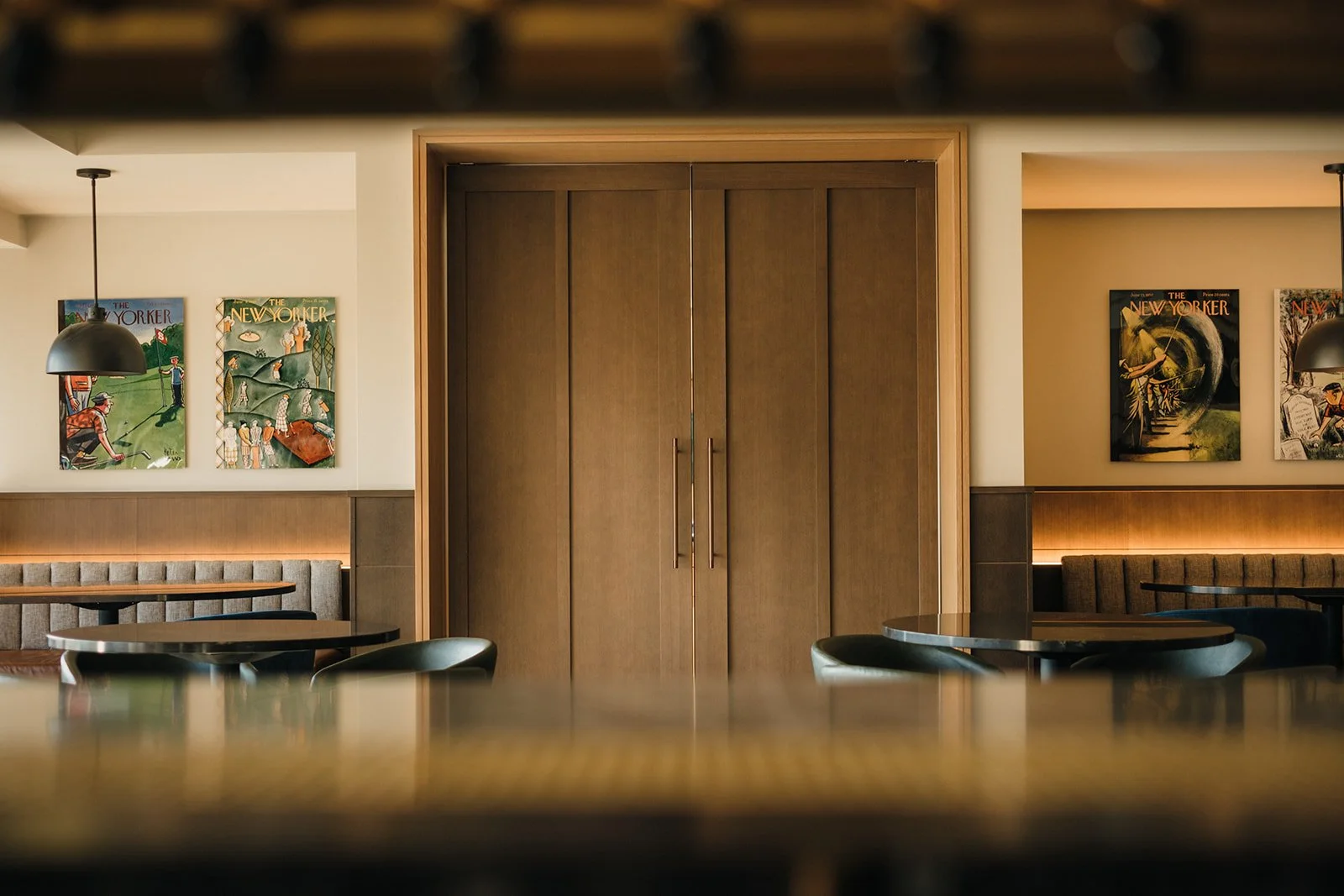
Renovate Your Commercial Space Without Becoming The Project Manager
We help growing business owners and property managers in Winnipeg make smart decisions before commercial interior renovations and tenant improvements get expensive. You stay focused on running your business; we handle the complexity.
If you are expanding, relocating, refreshing your space, or preparing for a new tenant — this is the point where the process starts to get heavy. You need enough cost clarity to make a real financial decision, but you don't want to be the person coordinating designers, consultants, trades, and timelines yourself.
Commercial Interior Renovations and Tenant Improvements in Winnipeg: Get Cost Clarity Before You Commit
Whether you are fitting out a new leased suite, reconfiguring an existing office, refreshing a retail space, or repositioning a commercial building to attract tenants, the biggest risks usually appear before construction begins. They appear when a lease gets signed before the layout is pressure-tested, when financial decisions are made against numbers that are still too vague, and when design, cost, and construction are treated as three separate problems instead of one integrated one.
LCM Design-Builders has delivered commercial interior renovations and tenant improvements in Winnipeg and across Manitoba for 15+ years — offices, retail fit-ups, medical and dental clinics, hospitality spaces, and light industrial modifications, under one accountable team from design through construction completion.
Interior renovations and tenant fit-ups in Winnipeg: what most business owners get wrong
A commercial renovation shouldn't be your second job. Most projects don't become painful because the owner chose the wrong finish. They become painful because key decisions get made while the owner is busy running a business — relying on a quote that was never grounded in full scope, trying to move quickly, and assuming that alignment between designers, consultants, and builders will sort itself out once work begins.
It doesn't. The owner ends up in the middle: fielding questions, chasing timelines, mediating between a designer who has handed off drawings and a contractor who is interpreting them differently than anyone intended. That gap, between design and construction, between cost estimate and actual scope, is where most owner frustration is born.
If you are about to sign a lease, already control a commercial space, or need to make real decisions on layout, budget, and timing now — this is the moment where the right process can save you money, stress, and avoidable backtracking later.

Before design starts, align the decisions that control cost
LCM's approach is straightforward: align design, budget, and construction before you commit to either.
Instead of treating design, pricing, and construction as disconnected phases, we bring them together earlier so you can make better decisions while change is still affordable. For a busy business owner or property manager, this isn't just better planning — it's the difference between staying informed and getting pulled into day-to-day coordination you never wanted to own.
For a commercial interior renovation or tenant improvement, that means:
understanding how the space needs to function before layout decisions harden
pressure-testing the scope against current Winnipeg market pricing before optimism gets expensive
reducing the risk that design intent, consultant work, and construction reality drift apart once the project gains momentum
getting a realistic timeline before lease obligations or opening dates create pressure you can't absorb
The goal is not just to build out a space. The goal is to help you make a smart renovation decision before committing to construction.

Why commercial interior renovations carry more complexity than most owners expect
A commercial renovation isn't just a finishes exercise. A well-functioning business space reflects operational decisions — how staff move through it, how clients experience it, how systems like HVAC, electrical, and plumbing support what happens inside it, and those decisions need to be made in the right order, early, when they're still affordable to change.
In tenant improvement projects, there are additional layers: the landlord's scope versus the tenant's scope, what the existing base building can support, what permits and inspections will require, and what the leasing timeline actually allows. In multi-tenant buildings, there is the added challenge of minimizing disruption to neighbours and working within property management constraints.
Small planning mistakes compound over the life of a lease. A layout that looks functional on a drawing can create daily friction for staff, reduce usable capacity, or create problems that are expensive to fix once the walls are in. That is why business owners and property managers need more than design ideas and a fast price, they need early decisions that account for operations, timeline, and how the space will actually function before construction begins.

Why early estimates from LCM may feel higher than a quick price per square foot
A fast number can feel reassuring when you are under pressure to make a lease decision, confirm scope with a landlord, or keep momentum moving. But for a business owner or property manager trying to avoid surprises later, the better question is not "what is the cheapest number I can hear today?" It is "how much truth is actually built into this number?"
Early estimates that feel low often feel that way because they are incomplete — because the scope hasn't been fully defined, because allowances are optimistic, because coordination costs haven't been accounted for. The missing scope doesn't disappear. It shows up later, after momentum is high, options are narrower, and backing up is expensive.
LCM provides Class C estimates (±15% accuracy) early in the pre-construction process, before design is finalized. That number is grounded in current Winnipeg market conditions, real scope, and the actual building, not a placeholder. It may be higher than a fast quote. It is also more likely to hold.
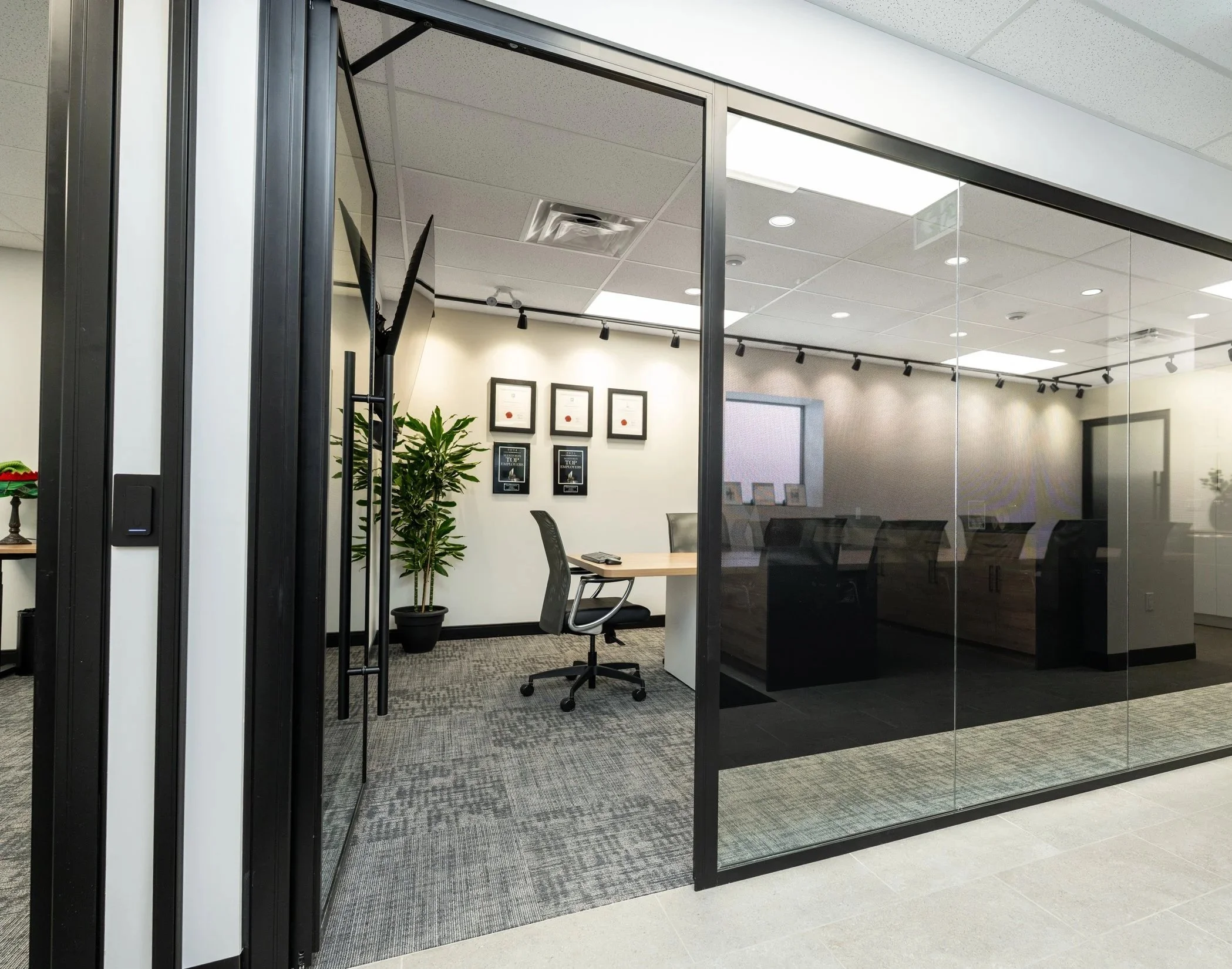
Why traditional tendering often creates more risk for interior renovation projects
A lower bid does not always mean a lower final cost. In commercial interior renovations and tenant fit-ups, the cheapest starting price is often the result of incomplete scope, missing coordination, or assumptions that fall apart once the project reaches the site. That gap is where extras, delays, and owner frustration tend to appear.
For a busy owner, the problem is not just that the process is fragmented. It is that the owner often becomes the one absorbing the consequences — sorting out conflicting answers between a designer who has already moved on and a contractor who is building something slightly different from what was intended, chasing clarity on decisions that were never made properly, and carrying the stress when pricing or timelines move.
This is especially common when construction is treated as a commodity, something to shop for only after design is "done." But the way a project is built affects how well pricing holds, how quickly issues get resolved, how clearly progress is communicated, and how much risk lands back on the owner once work begins.
LCM is built around a different model: a single point of responsibility, integrated planning, and cost clarity before commitment.
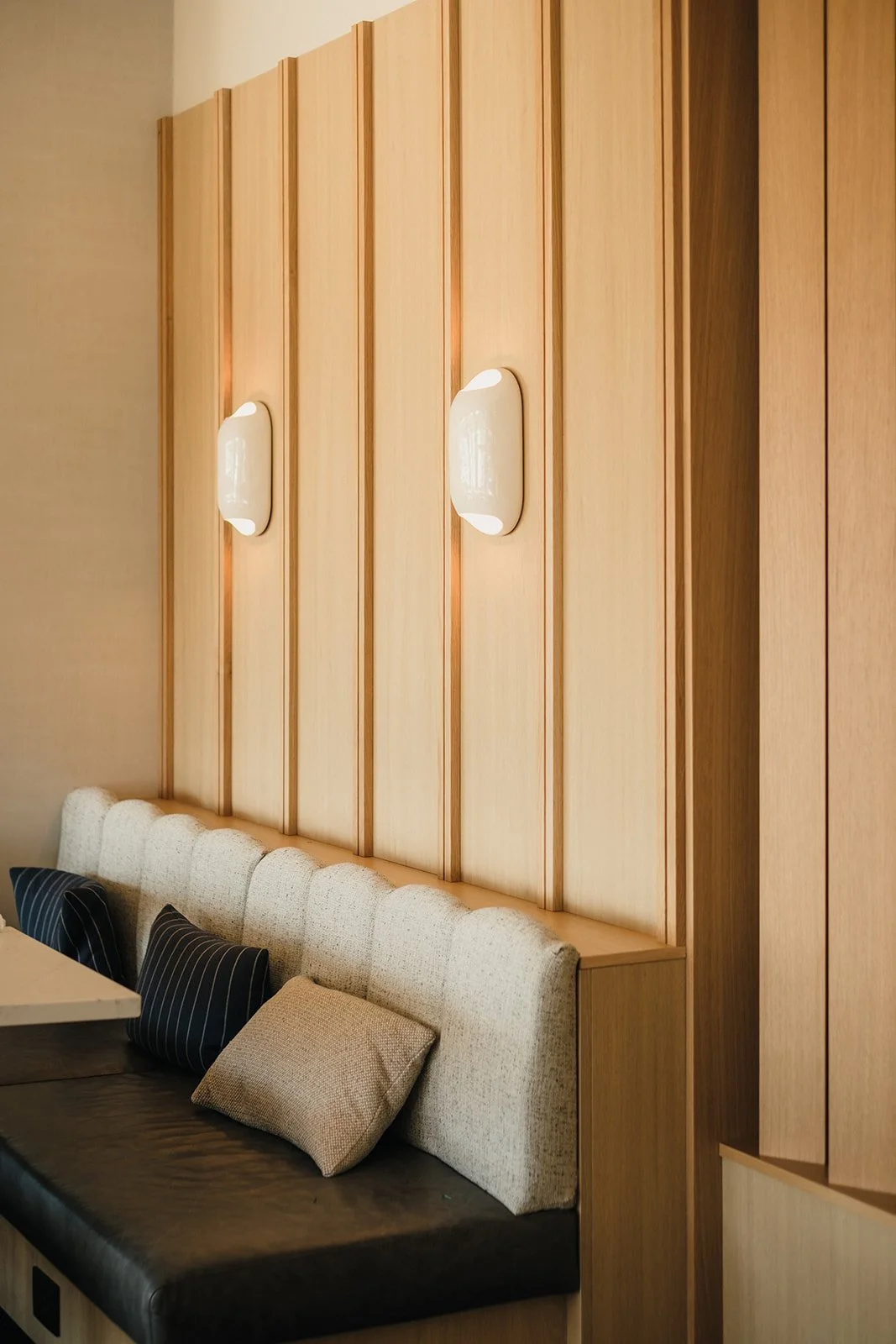
Why construction matters as much as planning
A renovation can be well-designed and still become a frustrating experience if the construction phase is managed loosely. The build itself affects how clearly progress is communicated, how quickly issues are resolved, how well trades are coordinated on site, and how much unexpected burden lands back on the owner.
For us, construction is not a commodity phase that begins after the important thinking is over. It is where planning is either protected or undone. A better construction process keeps budget, schedule, communication, and site conditions aligned so the owner is not left absorbing the consequences of drift, delay, or fragmented execution.
We support that with project tracking, documented site progress, regular owner communication, and tighter trade coordination throughout the build. But the point is not the tools. The point is a smoother, more accountable experience for the owner — from first meeting to final handover.

The outcome is not a renovation. It is confidence.
Most Winnipeg business owners and property managers are not looking for construction jargon. They are trying to avoid vague pricing, surprise extras, delays, poor communication, and the burden of managing too many disconnected parties themselves. They want one accountable team that can help them make smart decisions early, carry that clarity through the build, and keep the project off their plate instead of turning them into the coordinator.
That is where LCM is strongest: clear communication, early clarity, and one accountable team guiding the process from the first clarity call through construction completion. That confidence comes from having one team help you answer some of the questions that matter most before the project gains momentum:
Will this layout actually work for how we operate day to day?
Are we making design decisions that fit our real budget, or are we setting up a problem we'll absorb later?
Can one team help us manage the complexity, design, permits, trades, timeline — without us having to coordinate it all?
Can we reduce the risk of delays that affect our lease start, our opening, or our tenants?
The LCM Method for interior renovations and tenant improvements
LCM's method is built to answer three questions before commitment goes too far:
What is it going to look like?
What is it going to cost?
How long is it going to take?
Most owners arrive at construction having already absorbed the consequences of decisions made too early — a scope that outran the budget, a design that nobody priced until it was too late to change, and potentially a building type that doesn't fit operations. The LCM Method exists to prevent that. We answer those three questions with accuracy before commitment locks you in — so by the time construction begins, the hard work is already done.
-
We begin with your goals, operational needs, site conditions, and design direction — not just what you want the space to look like, but how it needs to function for the people using it every day. For a business owner, that means understanding workflow, client experience, staff movement, and the practical realities of how the space will actually be used. For a landlord or property manager, it means understanding what the market needs and what the building can support. The point is not to start drawing immediately. It is to make sure that when design begins, it is solving the right problem, and that the decisions being made are ones you can actually build and afford.
-
With the direction set and early costs tested against reality, plans are developed toward permit-ready clarity. This is where design decisions get coordinated with the building systems they depend on — mechanical, electrical, plumbing, structural, so that what gets drawn is what can actually be built. Key consultant decisions are aligned, materials and finishes are specified, and the scope is tightened so that nothing important is left undefined heading into permitting and construction. For the owner, this phase means fewer surprises on site, because the hard decisions were made at the drawing board where changing them is still affordable.
-
As scope solidifies, pricing gets sharper and more transparent. By this stage you are moving from a Class C estimate, the early range used to inform your lease or financial decision — toward Class A accuracy, the kind of number that construction can begin against with confidence. Trades are coordinated, lead times on materials and equipment are factored in, and the project schedule becomes a real plan rather than a rough timeline. For the owner, this is the moment where the project stops being a concept and becomes a commitment, and where having done the early work properly means that commitment is one you can make without reservations.
-
Construction begins with better alignment, clearer expectations, and less guesswork for everyone involved — including you. Because the hard decisions were made before the first trade set foot on site, the build phase runs tighter. Progress is tracked and communicated. Issues that arise on site get resolved quickly because the team responsible for resolving them is the same team that designed the project. For the owner, this phase should feel like watching a plan execute, not like managing a process you never wanted to own. That is the difference between a well-prepared project and one that was handed off before it was ready.
Who this interior renovation approach is for
We work best with business owners, landlords, and property managers who want one accountable team, value clarity over the lowest starting number, and would rather stay informed than manage every moving part themselves. This is usually the right fit when the cost of getting it wrong is higher than the cost of doing it properly.
Probably a fit if:
You are expanding, relocating, refreshing, or fitting out a commercial space in Winnipeg or Manitoba.
You are about to sign a lease, already control a space, or need to make real decisions on layout, budget, and timing now.
You want one accountable team to align design, cost, and construction before the project gains the wrong momentum.
You value predictability, proactive communication, and fewer surprises more than the lowest starting number.
You want visibility into the project without having to coordinate every consultant, vendor, and trade yourself.
You are a landlord or property manager delivering tenant fit-ups on a leasing timeline and need a contractor you can rely on to show up and perform.
Probably not a fit if:
You plan to choose your designer or builder primarily on lowest bid.
You want the thinking done here and the building done somewhere cheaper later.
You prefer managing separate designers, consultants, and contractors yourself.
You see construction as interchangeable and expect alignment to sort itself out once design is complete.
You want a highly hands-on role in every decision and moving part of the process.
Frequently Asked Questions
-
The terms are often used interchangeably and describe the same physical work — the difference is the perspective. A tenant improvement (TI) is the construction term: it refers to the custom renovations made to a leased commercial space to meet the operational needs of a specific tenant. A leasehold improvement is the accounting and legal term: it refers to permanent upgrades that stay with the space after the tenant departs. In Manitoba's commercial leasing market, both terms apply to the same renovations — partition walls, flooring, HVAC modifications, lighting, plumbing, millwork, and so on — whether financed by the landlord, the tenant, or negotiated as a tenant improvement allowance.
-
Commercial renovation costs in Winnipeg vary significantly based on the condition of the existing space, the amount of mechanical and electrical work required, finish level, and project type. A basic office refresh in a well-conditioned base building might run $80–$100 per square foot. A higher-specification corporate office, medical clinic, or food-service space can range from $120–$230+ per square foot depending on scope. The real issue is not getting a fast number — it is getting a number that is grounded enough to support a real lease, financing, or business decision. That is why LCM provides Class C estimates (±15% accuracy) during pre-construction, before design is finalized, so you have real cost direction before you are committed. -
Most commercial renovations take longer than owners first expect — not because construction is always slow, but because design decisions, permitting, landlord approvals, and trade coordination all take time. A basic office fit-up in a ready space might move from permit to handover in 8-10 weeks. A more complex tenant improvement involving significant HVAC, electrical, or plumbing work can run 10 to 20 weeks. The biggest delays usually come from unresolved decisions early in the process. Early planning surfaces those constraints before they become expensive to address. LCM provides a realistic schedule estimate during pre-construction so you can plan against it rather than be surprised by it.
-
With traditional general contracting, design and construction are separate: you hire a designer or architect, receive drawings, then put those drawings out to tender for contractors to price. The owner becomes the link between two teams with separate interests, separate contracts, and no shared accountability for whether the design is actually buildable at budget. Design-build integrates design and construction under one team — one contract, one point of accountability, and a process where cost feedback informs design decisions from the start. This reduces surprises, eliminates the handoff gap between design intent and construction reality, and means the team designing your space is the same team responsible for building it.
-
Because that often delays the moment of pricing truth to the worst possible time. A space can look resolved on paper and still be misaligned with budget, constructibility, or timeline. When the tender comes back higher than expected — which is common when design advances without cost discipline — the options are redesign, value engineering under pressure, or accepting a number you can't afford. For owners who want predictability, integrating design, budgeting, and construction thinking earlier reduces the risk of budget shock and late-stage compromise. This is consistent with LCM's broader approach: align design, cost, and constraints early rather than letting optimism outrun reality.
-
No. LCM brings licensed architectural and design services in-house as part of the design-build process. You work with one team from concept through construction completion. Where your project requires specialized engineering consultants — structural, mechanical, or electrical — we coordinate those relationships on your behalf. You don't manage separate contracts.
-
Yes — and we plan for it from the start. For tenant improvements in occupied commercial buildings, we coordinate directly with property managers, schedule trades to minimize disruption during business hours, and sequence work to keep noise and mess contained. We have completed renovations in active office buildings, multi-tenant plazas, and operational businesses without shutting them down. Sequencing around your operations is part of what we work out during pre-construction planning, not something we figure out once work begins.
-
Yes. We work directly with property managers and landlords on both landlord-delivered fit-ups — where the landlord is finishing a suite for a new tenant — and tenant-driven improvements — where the tenant is customizing their space with or without a landlord TI allowance. We coordinate directly with building management, understand how the base building systems work, and deliver spaces on the timelines that leasing commitments demand. If you manage a commercial building in Winnipeg and need a reliable contractor for ongoing tenant work, that is a conversation worth having early.
-
Budgets usually rise when important decisions are made too late, when an existing space has hidden conditions that weren't discovered until walls opened, when mechanical and electrical work is heavier than a fast scope assumed, or when design advances further than cost discipline allowed. In other words, the problem is rarely "construction got expensive" in isolation — it is that reality entered the process later than it should have. Early, grounded pre-construction planning is the most reliable way to prevent it.
-
Yes. In many cases, that is the best time to engage. If you are comparing spaces, reviewing a lease opportunity, or trying to understand whether a renovation project makes financial sense before committing, early guidance can help you avoid signing a lease on a space that creates avoidable cost, timeline, or layout problems later. The earlier the conversation, the more options you have.
-
Before you start design. Before committing to construction. Ideally before signing a lease, or as soon as you have a likely space under consideration. The earlier you engage, the more opportunity there is to align layout, scope, budget, and timeline before expensive decisions get locked in. That early clarity is central to how LCM is built to operate.
A Selection of Interior Renovations & Tenant Improvements
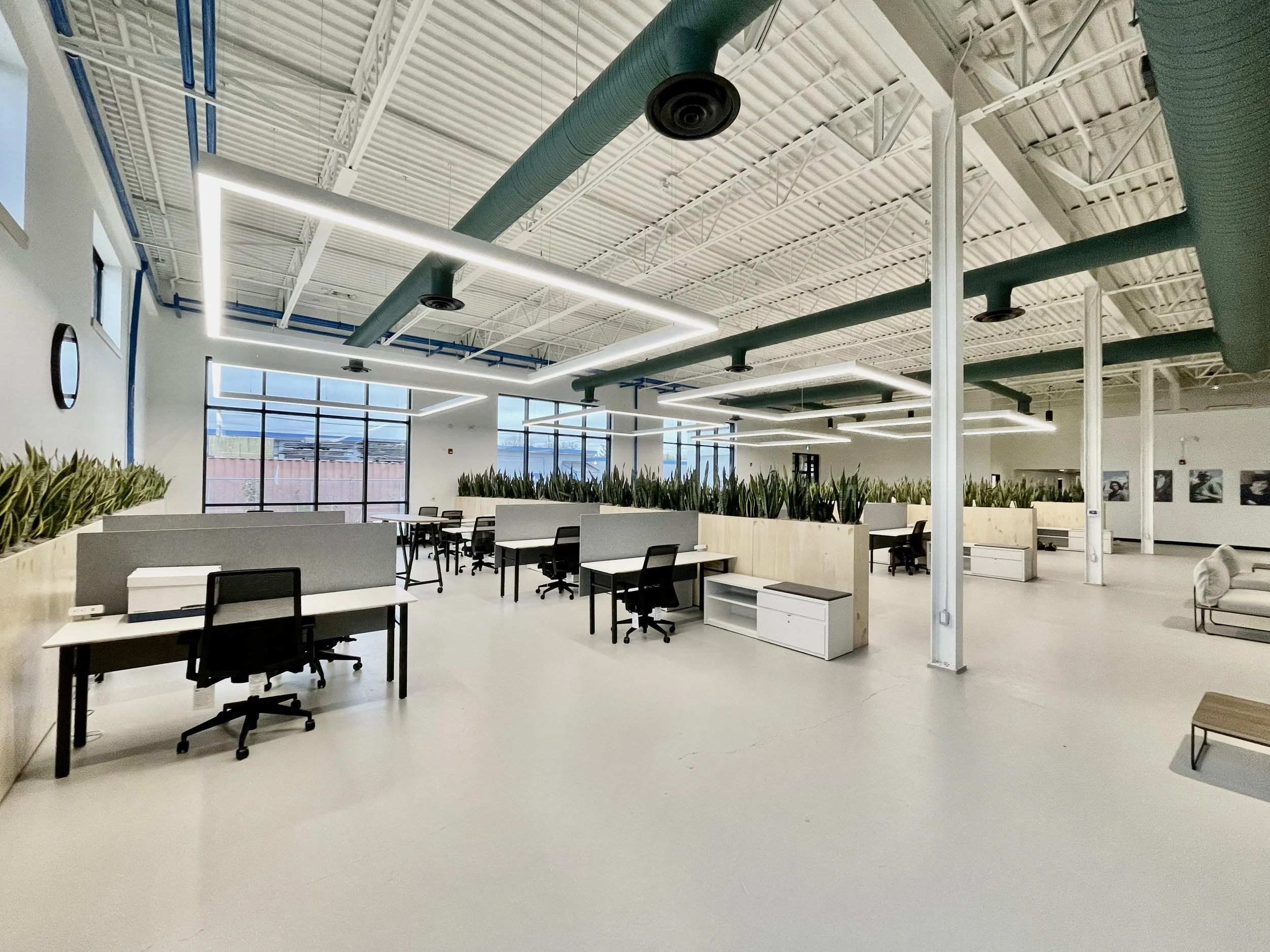
Turning Leaf Services

Bayer CropSciences

Niakwa Country Club
Private Pension Partners

Ready to renovate your commercial space in Winnipeg?
Before this gets expensive, get aligned.
If you are making lease, layout, budget, or timing decisions now — this is the point where the right process can save you money, stress, and avoidable backtracking later. Start with one accountable team that helps you stay informed without having to manage every moving part yourself.
Last updated April, 2026