
Make Exterior Upgrades That Support Leasing and Long-Term Value
We help property owners, asset managers, and business owners in Winnipeg make high-stakes early decisions before exterior upgrades, envelope work, and tenant-facing improvements get expensive. You stay focused on leasing, operations, and asset performance; we handle the complexity.
If you are under pressure to improve curb appeal, protect asset value, attract better tenants, or make smart reinvestment decisions without getting buried in a fragmented process, this is the stage where the right team makes life easier.
Exterior Commercial Renovations in Winnipeg: Know Whether It's Worth It Before You Commit
The decisions that control your budget, your tenants, and what your building is worth on the other side of a renovation are made before construction begins — not during it.
Most portfolio owners find that out the harder way. The ones who don't are the ones who pressure-tested the investment early, before design advanced and options narrowed.
What most portfolio owners get wrong
The safe move, in Winnipeg real estate, is to do nothing. Keep the building full. Keep rents low. Avoid the disruption.
That logic works — until it doesn't. Older stock fills with tenants who expect older stock pricing. The gap between what you're earning and what the building could earn widens quietly, year by year. And by the time the gap becomes obvious, the cost to close it has grown too.
The portfolio owners who have renovated with us weren't gambling. They were making a calculated bet on a building they already owned, using renovation as a mechanism to reposition the asset, improve tenant quality, and increase the value they could leverage or exit on.
The question isn't whether to spend money on your building. The question is whether the right investment, at the right time, changes what your building can do for you.

Clarity before commitment
Exterior work is notoriously hard to price from a distance. Hidden conditions, overlapping scope, aging building envelopes, and disconnected decision-making can turn a straightforward re-cladding into a frustrating series of extras and surprises.
Our approach is to align design, scope, and pricing before construction begins — not after permits are issued. That means bringing consultants, trades, and cost intelligence together earlier, so you can make a real decision before money and momentum lock in.
For a portfolio owner managing multiple assets and multiple demands on their attention, this is the difference between a project that runs itself and one that runs you.
The first impression is a leasing conversation
Before a prospective tenant calls, they drive by. Before they tour, they judge. And if the building looks like it belongs to a different era, it attracts tenants who expect to pay for a different era.
Exterior renovation isn't cosmetic. It's a signal. It tells the market what class of tenant you're courting, what level of maintenance you maintain, and whether this is a building worth taking seriously.
That signal affects lease rates, tenant longevity, and — eventually, the asset's value on paper. We've seen it on Winnipeg's main streets. A building that reads as well-managed fills differently than one that reads as neglected. The math follows.

Built around your tenants' reality
Unlike interior work, exterior renovations happen while tenants are still inside. That means the job isn't just to build well — it's to build without unnecessary disruption to the businesses paying rent while work takes place.
We coordinate phasing, site access, safety, and communication so your tenants stay informed and operations keep running. Whether it's a single façade refresh or a full envelope reimagining, the process should be as clean as the finished product
Repositioning is a strategy, not a renovation
Our repeat clients don't come back because we build well, though we do. They come back because we understand what the building is supposed to do for the business behind it.
When you're repositioning a commercial asset — moving it from dated to desirable, from commodity to considered, every decision affects the outcome. The cladding system. The entrance. The signage integration. The palette. These aren't aesthetic choices. They're leasing strategy made physical.
We help you think through that strategy before the design starts, so the renovation serves the investment thesis, not just the inspector's checklist.
The outcome is not a renovated building. It is a commercial property that earns more, leases better, and holds its value longer.
Most Winnipeg property owners considering exterior renovation are not looking for construction jargon. They are trying to answer one honest question: is this worth doing?
They want to know whether the investment will change what the building can earn, attract, or be worth — and they want one accountable team that can help them answer that question before committing to design, permits, and construction costs they cannot easily walk back.
For many owners, this is also a financially sensitive decision. The renovation only makes sense if the numbers move. A low opening estimate is not reassuring, it is a risk. What matters is having enough cost clarity, early enough, to make a real reinvestment decision with confidence.
That is where LCM is built to help — before the scope, the budget, and the building's next chapter get decided without the right information on the table. If you're still working through whether this makes sense for your building, these are the questions most owners are sitting with at this stage.
-
It can — but the answer depends on whether the renovation is treated as a strategic decision or just a maintenance expense. Exterior upgrades that reposition a building's market signal, improve tenant-facing presentation, and align with a clear leasing thesis tend to produce measurable results. Buildings that read as well-managed and current attract a different class of tenant than buildings that read as aging and neglected. That difference shows up in lease rates, tenant longevity, and eventually in what the asset is worth on paper. The owners who see the strongest outcomes are usually those who start with a clear picture of what the building needs to do, and work backward from there to decide what to change about it.
-
The honest answer is that you probably cannot know with confidence until someone helps you stress-test the numbers early. The mistake most owners make is waiting until design is advanced, permits are filed, and momentum is high before asking whether the investment actually pencils out. By that point, backing up is expensive. The better approach is to pressure-test scope, cost, and expected leasing impact before committing — so the decision is made with real information rather than optimism. If the numbers support moving forward, you move forward with confidence. If they don't, you've saved yourself a costly mistake. That early clarity is exactly what the pre-construction phase is designed to produce.
-
With a traditional model, design and construction are handled by separate parties — and the owner often ends up in the middle, absorbing the consequences when those parties drift out of alignment on cost, scope, or timing. A design-build contractor brings both under one roof and one point of responsibility. For exterior renovation specifically, that means design intent, envelope detailing, permit requirements, trade coordination, and budget are aligned from the start, rather than discovered to be misaligned after the work has already begun. For a portfolio owner who does not want to become the coordinator between an architect, a general contractor, and a set of consultants who were never in the same room together, single-point accountability is not a convenience. It is the core value of the arrangement.
-
Earlier than most owners expect. The best time to engage is before design has advanced, before a contractor has been selected, and ideally before significant budget has been committed. Early cost intelligence is not just about getting a number, it is about understanding what variables drive the number, where the risk lives, and whether the scope you are imagining is aligned with what the market will actually cost to build. Exterior projects in particular carry hidden complexity — aging envelope conditions, code compliance requirements, energy performance obligations, and tenant disruption planning that only surface with early investigation. The owners who avoid budget surprises are usually the ones who brought the right team in before the project gained momentum, not after.
The LCM Method for warehouse and industrial builds
LCM's method is built to answer three questions before commitment goes too far:
What is it going to look like?
What is it going to cost?
How long is it going to take?
Most owners arrive at construction having already absorbed the consequences of decisions made too early — a scope that outran the budget, a design that nobody priced until it was too late to change, and potentially a building type that doesn't fit operations. The LCM Method exists to prevent that. We answer those three questions with accuracy before commitment locks you in — so by the time construction begins, the hard work is already done.
-
This is where we slow down so the rest of the project can move faster. Before a single drawing is produced, we spend time understanding what the building needs to accomplish — for leasing, tenant retention, and the owner's longer-term goals. The questions we ask here are ones most contractors never think to ask. The answers shape every design decision that follows. Schematic design then translates those goals into a clear visual direction, one pressure-tested against cost and constructibility before anyone is committed to anything expensive.
Your job at this stage: answer a few good questions, then let us go to work.
-
This is where intent becomes instruction. Once schematic direction is confirmed, we develop the full set of construction documents — drawings, specifications, and details, that take the project from concept to permit to site. Every cladding system, envelope detail, and code requirement gets resolved here, so the drawings that go to permit are the same ones that go to build. No translation errors. No scope gaps that surface later as surprises.
Your job at this stage: stay informed, not involved.
-
This is where the numbers get honest. As construction documents solidify, pricing sharpens — grounded in actual scope, real market conditions, and the specific constraints of your building. A budget becomes a commitment rather than an estimate. Trade coordination, material lead times, and phasing are confirmed here too, so construction begins with alignment already in place.
No scrambling after work starts. No surprises that could have been caught earlier.
Your job at this stage: review the number, make the call, move forward.
-
Construction is where planning is either protected or undone. A well-designed exterior renovation can still become a frustrating experience if the build phase is managed loosely. Our job here is to carry the clarity established in pre-construction all the way through to completion — with regular progress updates, proactive communication when conditions change, and a team that treats your time and attention as something worth protecting.
For buildings with tenants still operating inside, phasing and site management keep businesses running while the work takes place.
The finished product should look exactly like what was promised. Getting there should not have required you to manage it yourself.
Your job at this stage, again: stay informed, not involved.
Who this new build commercial approach is for
We work best with portfolio owners who are already thinking strategically about their assets — owners who want one accountable team helping them evaluate whether the investment makes sense, align scope and cost before committing, and carry the process without turning it into another item on their plate.
Probably a fit if:
You own one or more commercial properties in Winnipeg and are considering whether a strategic exterior renovation makes financial sense
You want one accountable team to help you think through scope, cost, and ROI before committing to construction
You value a clear, low-friction process over the lowest opening number
You want to stay informed without coordinating consultants, trades, and designers yourself
You see your real estate as a strategic asset, not just a cost centre
Probably not a fit if:
You plan to select primarily on lowest bid
You want to manage multiple disconnected parties yourself
You see exterior renovation as a commodity and expect alignment to sort itself out
You're not yet thinking about the building's positioning — just its maintenance
Frequently Asked Questions
-
Exterior renovation costs in Winnipeg vary significantly depending on the size of the building, existing envelope condition, cladding system chosen, structural requirements, and scope of related work such as windows, entrances, or signage. The more important question is not the fastest number you can get — it's whether the number is grounded enough to support a real reinvestment decision. That's why early planning matters: it gives you clearer cost direction before design and commitment advance too far.
-
It can — but only when the renovation is treated as a strategic decision rather than a cosmetic one. Exterior upgrades that reposition a building's market signal, improve tenant-facing presentation, and align with a leasing strategy tend to produce better outcomes than surface-level improvements done without a clear thesis. The owners who see the strongest results are usually those who think through what the building is supposed to do before deciding what to change about it.
-
Re-cladding involves replacing or covering an existing building envelope system, often aging EIFS, stucco, or deteriorating façade materials — with a new cladding system. Buildings typically need re-cladding when the existing envelope is failing, when energy performance has become a liability, when the aesthetic is significantly outdated, or when a repositioning strategy calls for a different market signal. Re-cladding can also be an opportunity to improve insulation, address moisture infiltration, and reduce long-term maintenance costs simultaneously.
-
Yes, and this is the norm rather than the exception. Exterior work typically occurs while interior tenants continue to operate. The key is coordinated phasing, clear communication with tenants, and site management that minimizes disruption. At LCM, that coordination is built into how we plan and execute exterior projects — not treated as an afterthought.
-
With a design-builder, design intent, cost, and constructibility are aligned from the start under one accountable team. With a traditional model — separate architect, separate contractor, owner in the middle — the owner often absorbs the consequences when those parties drift out of alignment. For portfolio owners who don't want to become a project coordinator, a single point of responsibility is not a luxury. It's the core value of the arrangement.
-
Before you start design. Ideally before you've committed budget. The earlier we're involved, the more opportunity there is to align scope, cost, and strategy before decisions become expensive to change. If you're still asking whether the renovation makes financial sense, that's exactly the right stage to have the conversation.
-
Yes. Several of our strongest client relationships have been built around portfolio renovation programs, where we've worked with the same owner across multiple assets over multiple years. This kind of relationship allows for better continuity, stronger cost intelligence across projects, and a process that becomes more efficient over time — because we already understand how the owner thinks and what the portfolio strategy is trying to accomplish.
The First Impression Should Match the Value Inside
When a building looks tired, dated, or under-maintained, it sends a message—whether you want it to or not. In commercial real estate, curb appeal isn’t just cosmetic. It shapes how tenants feel, how customers behave, and how confidently you can lease, sell, or operate the space.
That’s where a strategic exterior renovation comes in.
A Selection of Re-Clading and Exterior Renovations
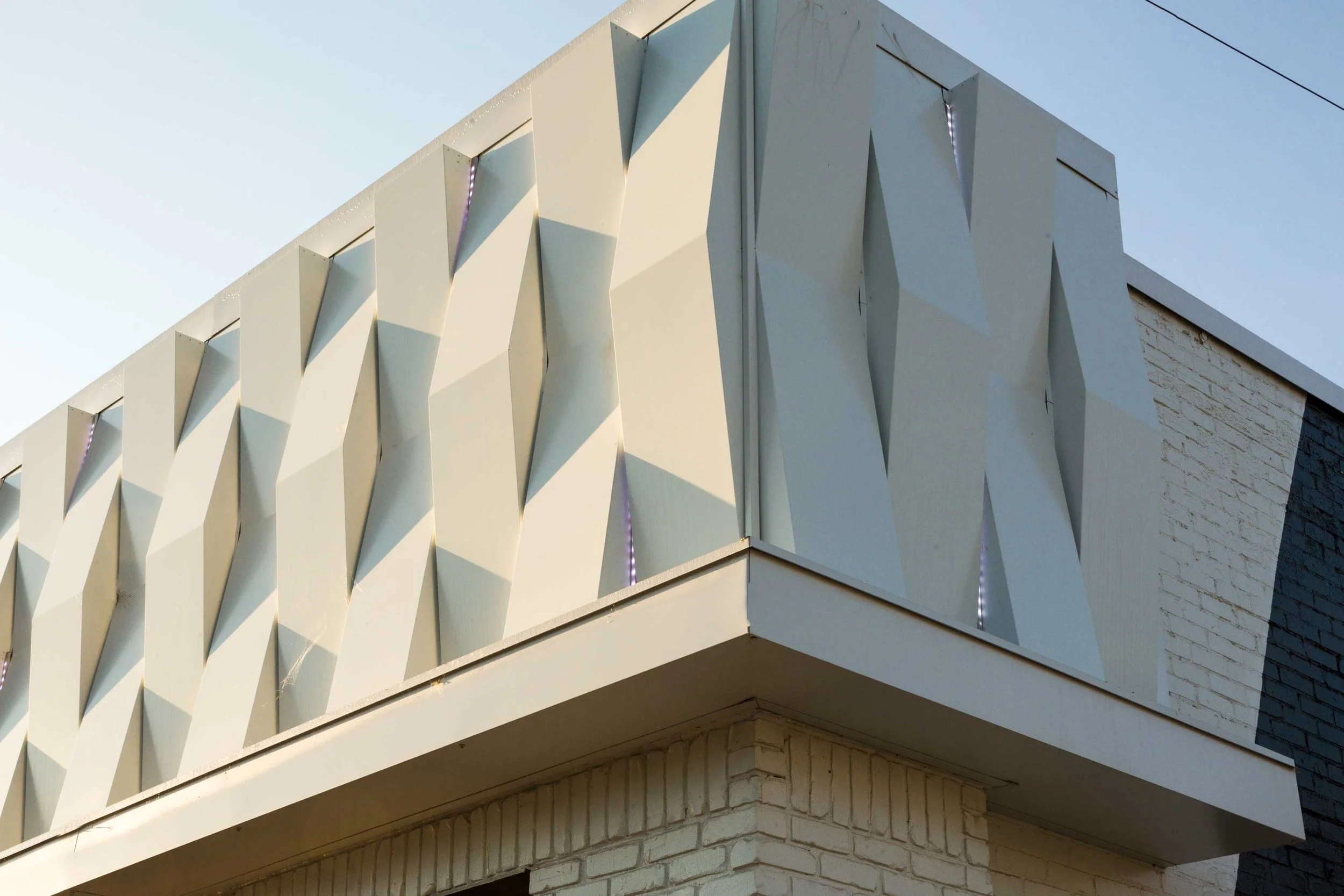
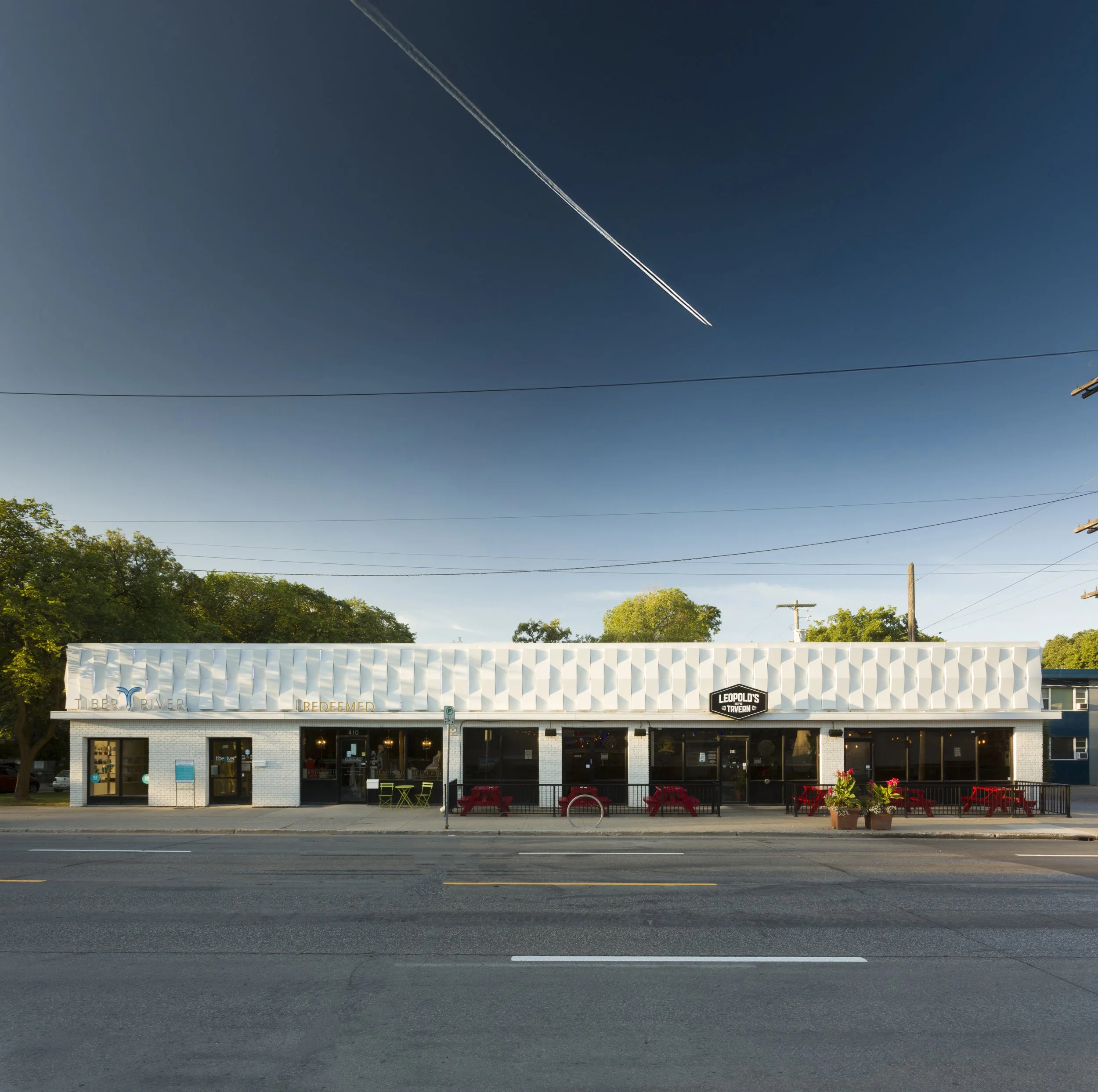
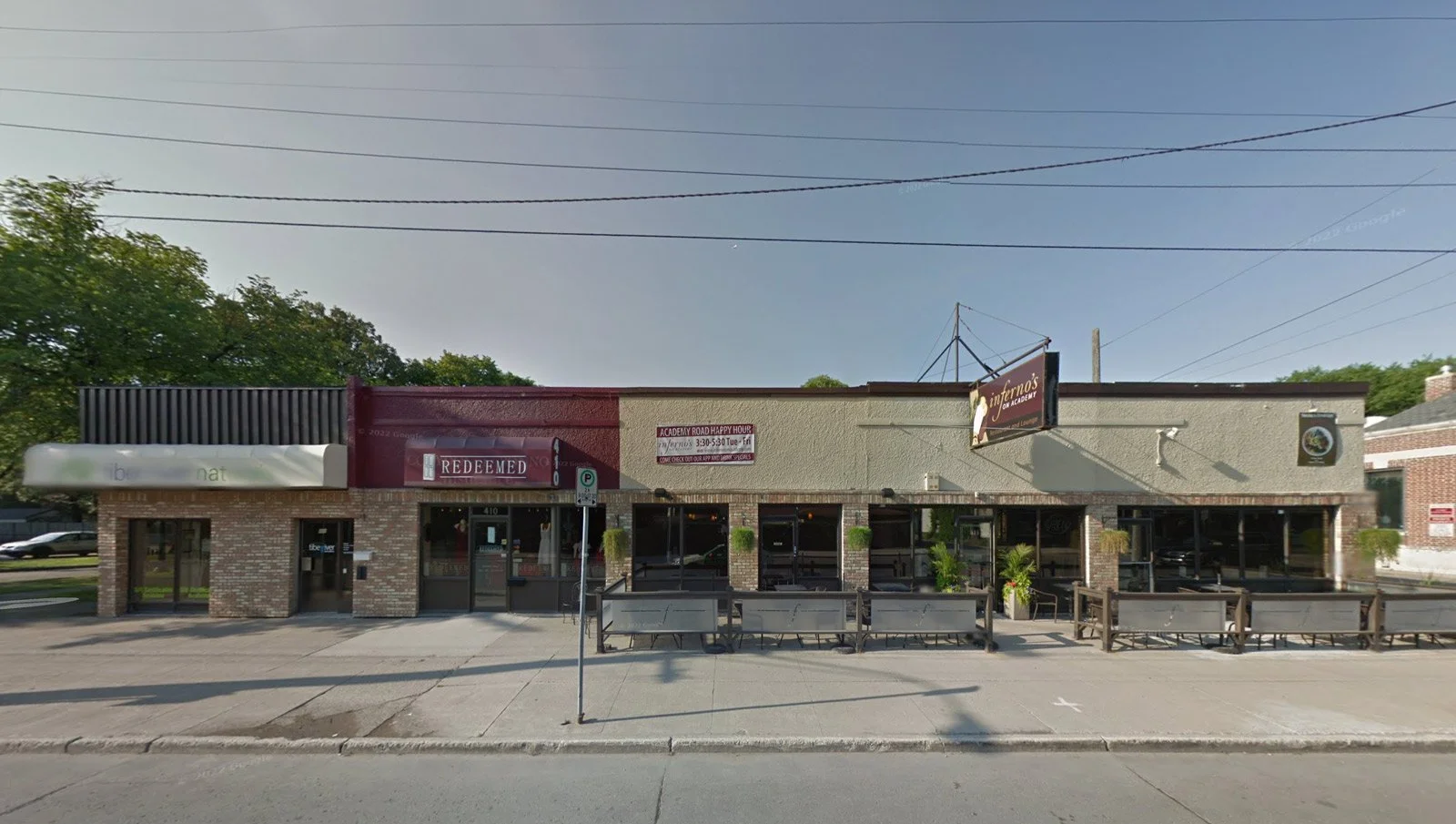
408 Academy
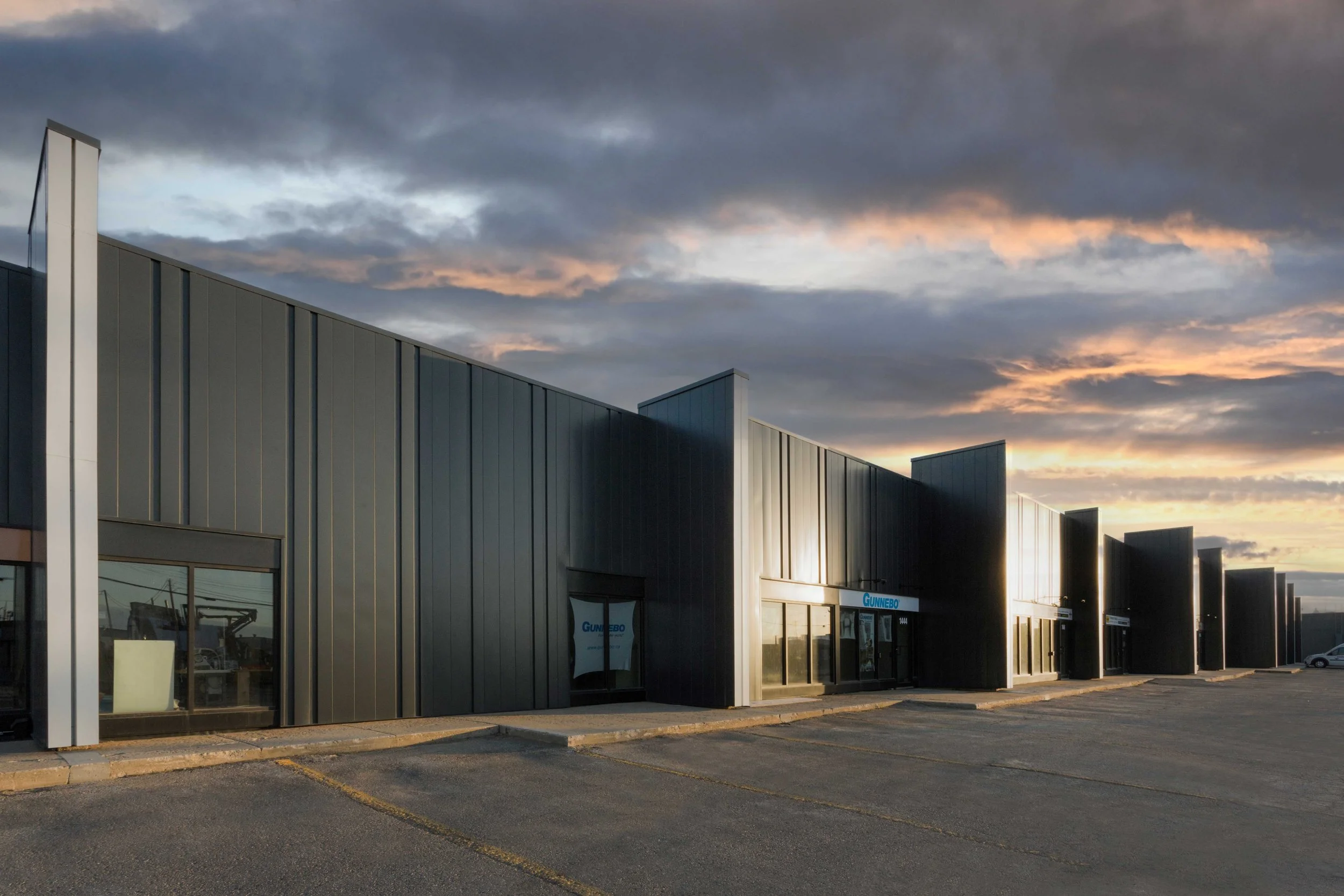
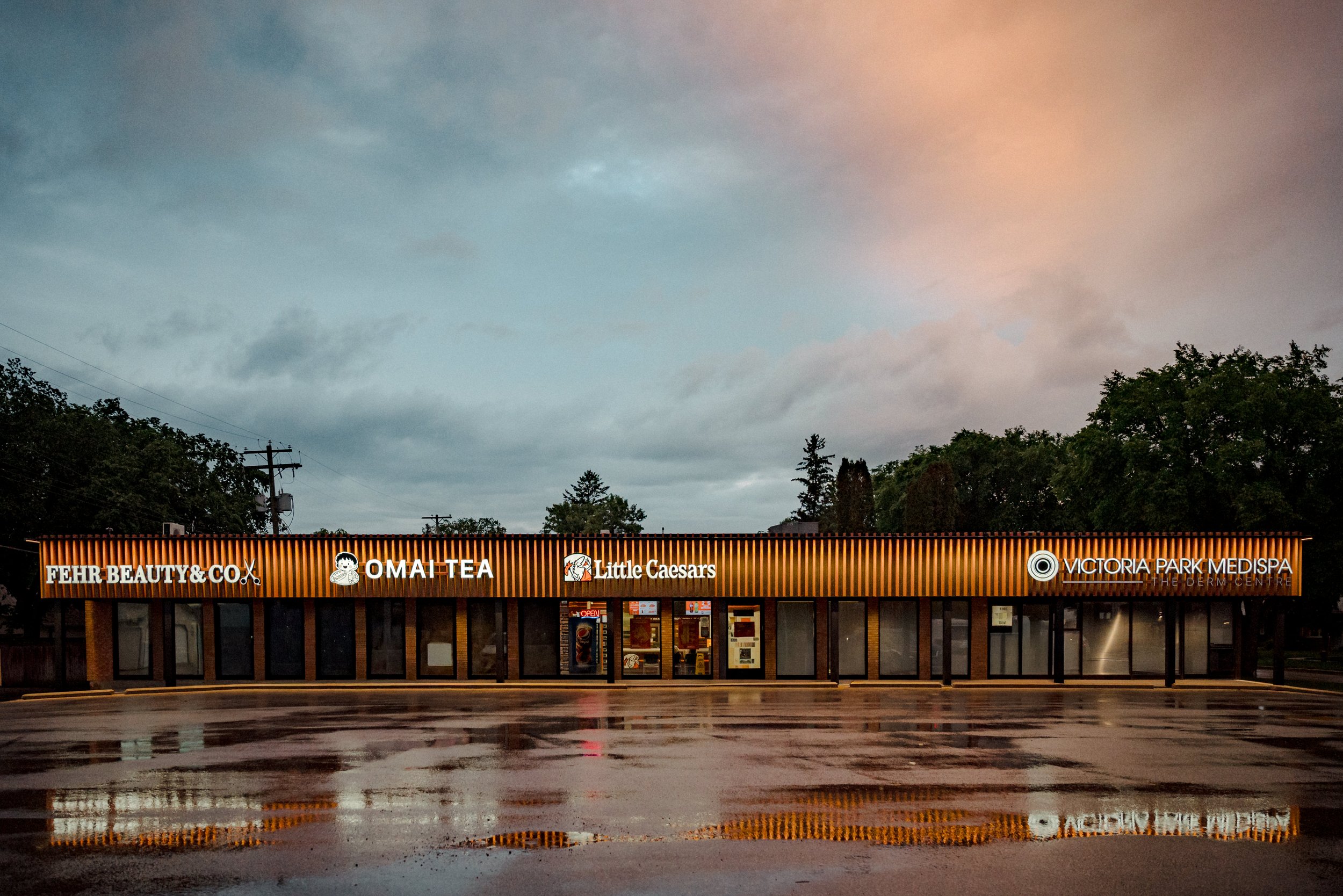
1460 Wellington

99 Osborne

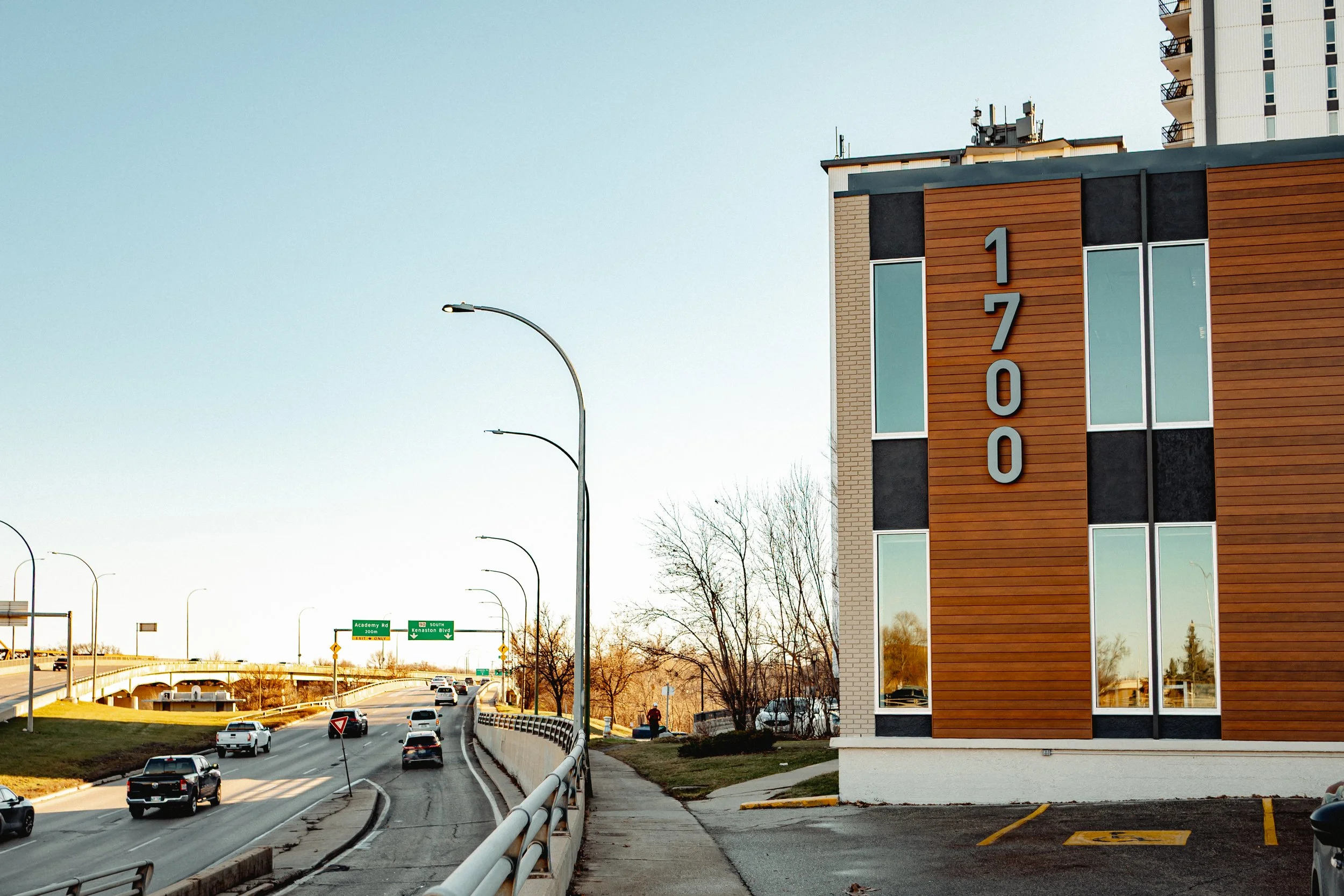
1700 Ellice
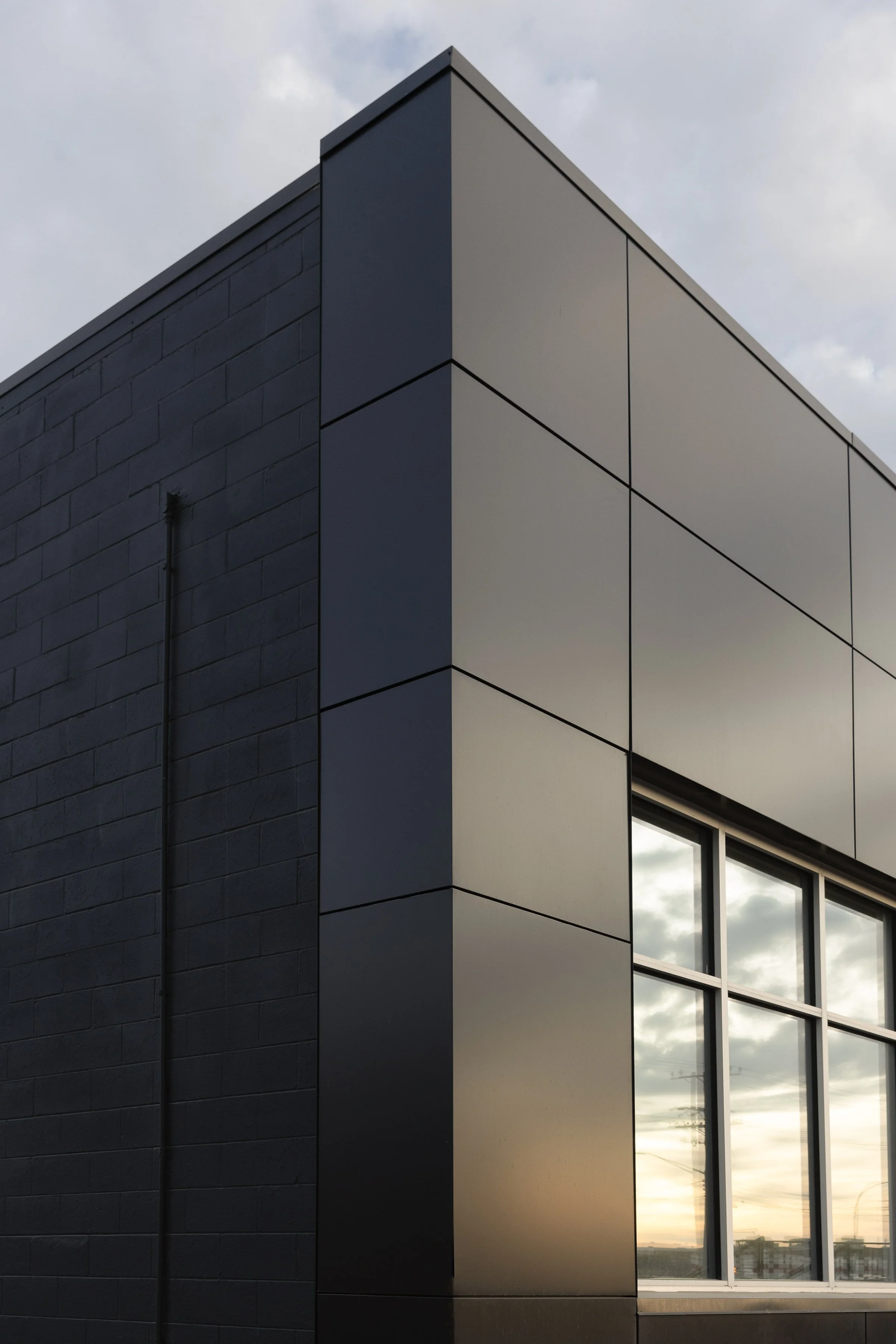
Ready to find out if the investment makes sense?
The hardest part of a strategic exterior renovation isn't the construction. It's deciding whether the numbers justify moving forward — and having enough clarity to make that call with confidence.
That's where we start. Not with a quote. With a conversation about what the building needs to do, what the market is telling you, and whether the right renovation changes the equation.
Last updated April, 2026