
The LCM Method: Construction Process
A better way to build with visibility, continuity, and one accountable team.
Construction is where many projects begin to lose alignment. Design may feel like the hard part, but once the work moves into the field, real-world conditions start testing the plan. Site conditions change. Trade sequencing gets pressured. Lead times shift. Small decisions begin affecting cost, timing, and quality in real time.
That is why construction should not be treated like a commodity.
A better construction process is not just about keeping the work moving. It is about how quickly issues are resolved, how clearly changes are managed, how well design intent carries into the field, and how much burden falls back on the owner when pressure shows up.
For busy owners, that difference is significant. It affects not only the outcome of the project, but how much stress, uncertainty, and day-to-day involvement they have to carry along the way.
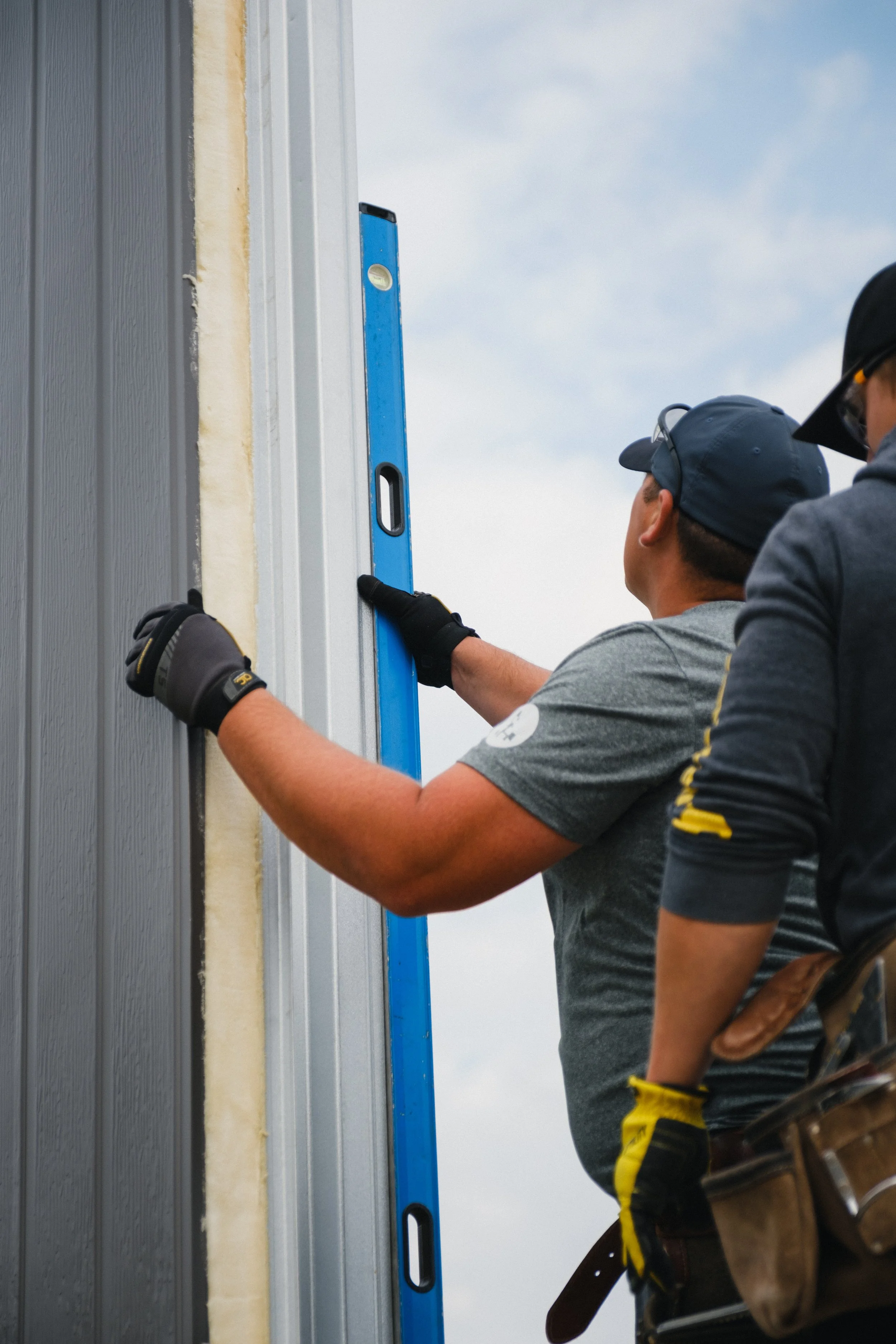
STEP 1: CONSTRUCTION HANDOFF & SITE PREPARATION
Carrying the plan into the field with continuity and clarity
Once the project reaches the start line, the next priority is making sure construction begins without losing the thinking behind it. Our design consultants hand the project off to the site team with complete drawings, schedule context, and a full review of the project so the work starts with continuity rather than guesswork.
This step matters because many projects begin to drift at the moment execution starts. By giving the field team a full understanding of the design intent, project priorities, and key coordination items, we reduce ambiguity early and create a more aligned start onsite.
The result is a smoother transition from planning into construction—supported by better preparation, clearer communication, and stronger continuity between what was designed and what is now being built.
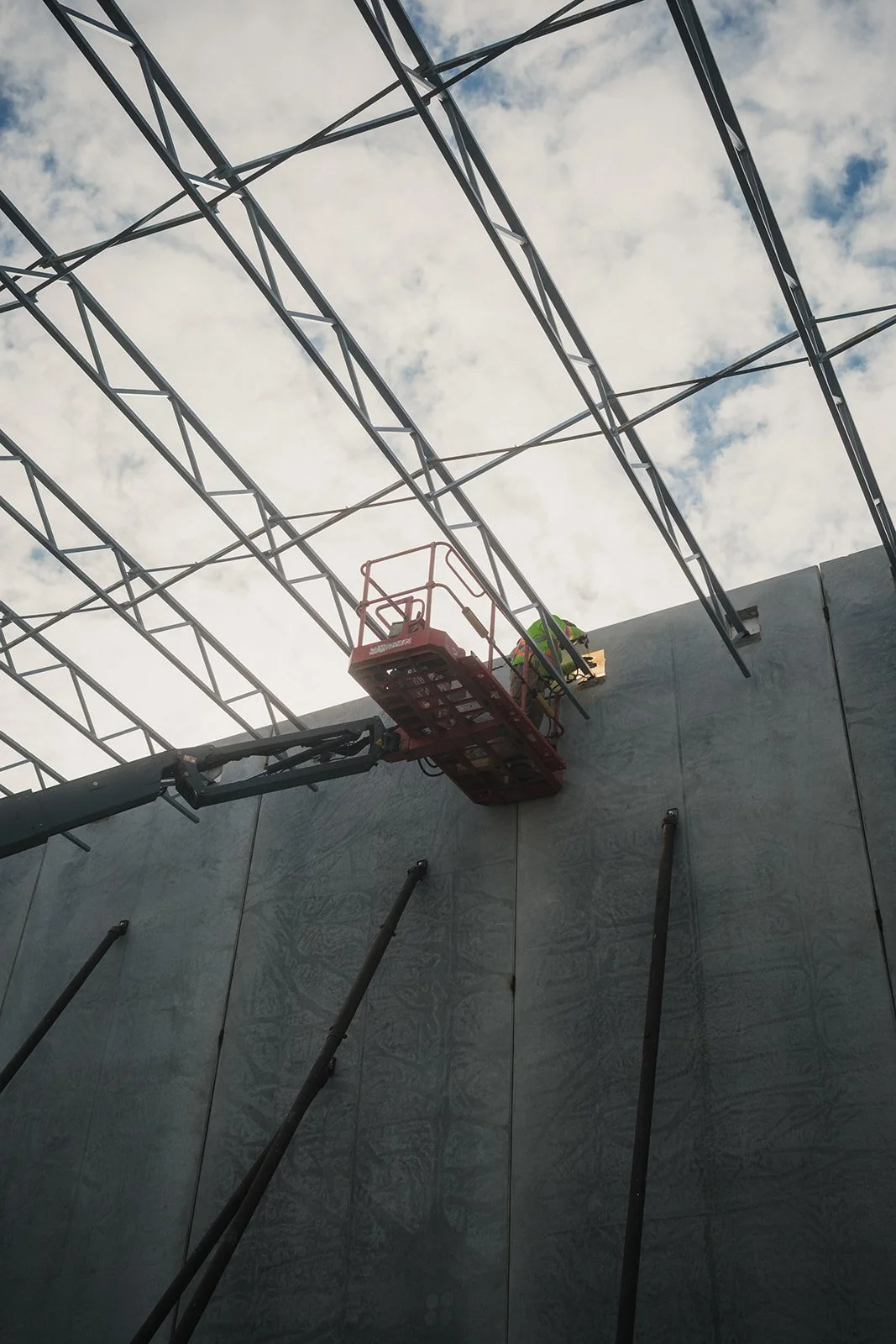
STEP 2: ACTIVE CONSTRUCTION & SITE COORDINATION
Keeping the work moving with clear direction
As construction gets underway, the focus shifts to sequencing, trade coordination, site logistics, and maintaining momentum across the work as it progresses. This is where day-to-day leadership starts to materially affect schedule, clarity, and the overall experience of the project.
Because our design and construction teams remain connected, questions can be addressed faster and site decisions can be made with better context. Rather than letting uncertainty sit unresolved, we aim to bring the right people into the conversation quickly so the work can continue moving in an orderly and efficient way.
The result is a construction process that feels more controlled, more responsive, and less vulnerable to the confusion that often builds when multiple moving parts begin to pressure the plan.
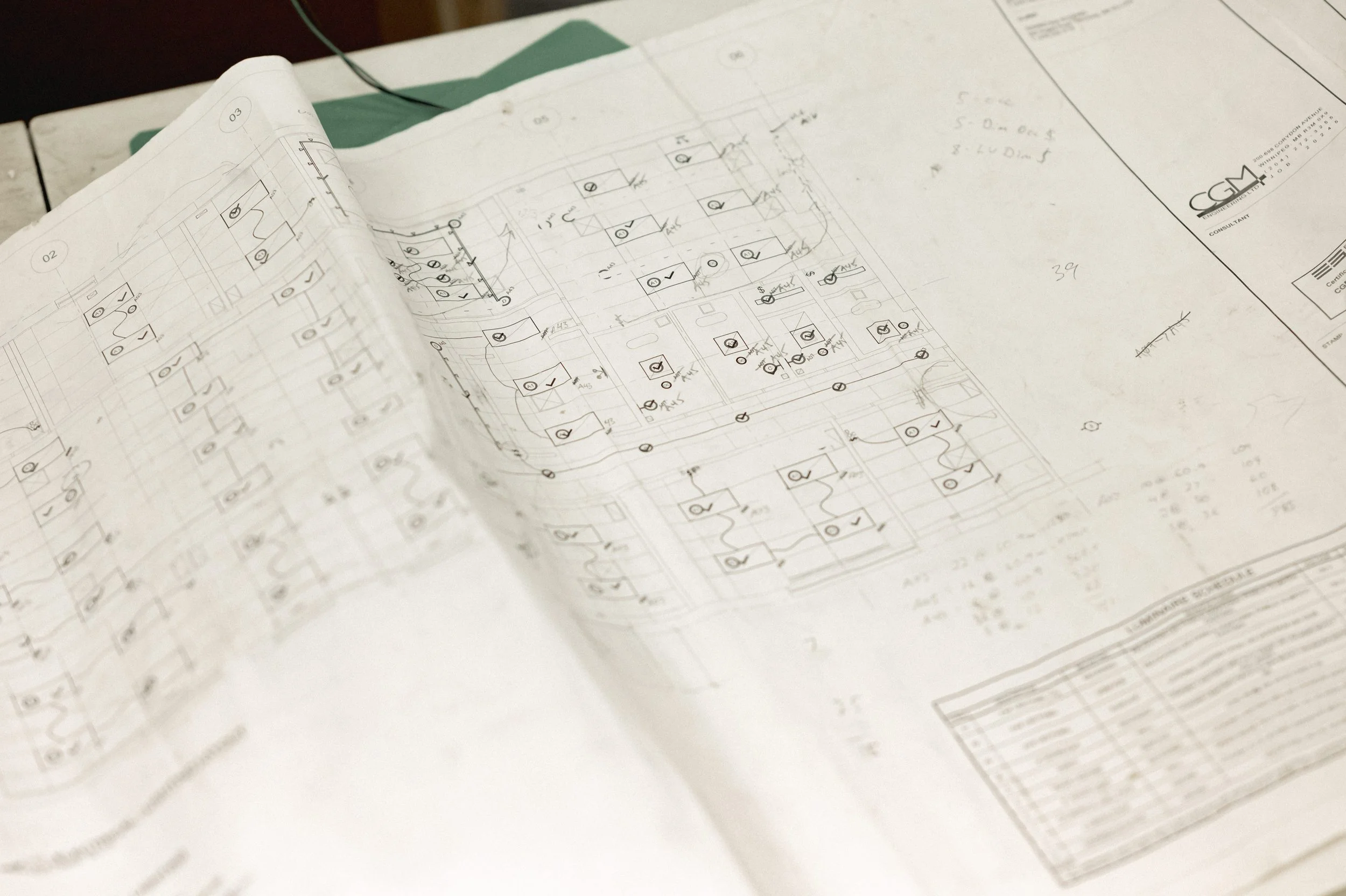
STEP 3: ISSUE RESOLUTION & CHANGE MANAGEMENT
Responding quickly when reality tests the drawings
No construction project is completely free of surprises. In renovations, existing conditions may differ from what was expected. In new construction, site realities, coordination pressures, or lead-time issues can create challenges that were not fully visible on paper. What matters is not whether issues arise, but how they are handled when they do.
Our integrated process allows site supervision to quickly connect with the architect or project designer, confirm design intent, and work through practical solutions while the issue is still manageable. Changes are tracked through a structured system that records whether they affect cost, schedule, both, or neither—so owners are not left trying to interpret vague updates or piece together what shifted.
The result is faster problem-solving, better continuity between intent and execution, and fewer small issues turning into larger disruptions.
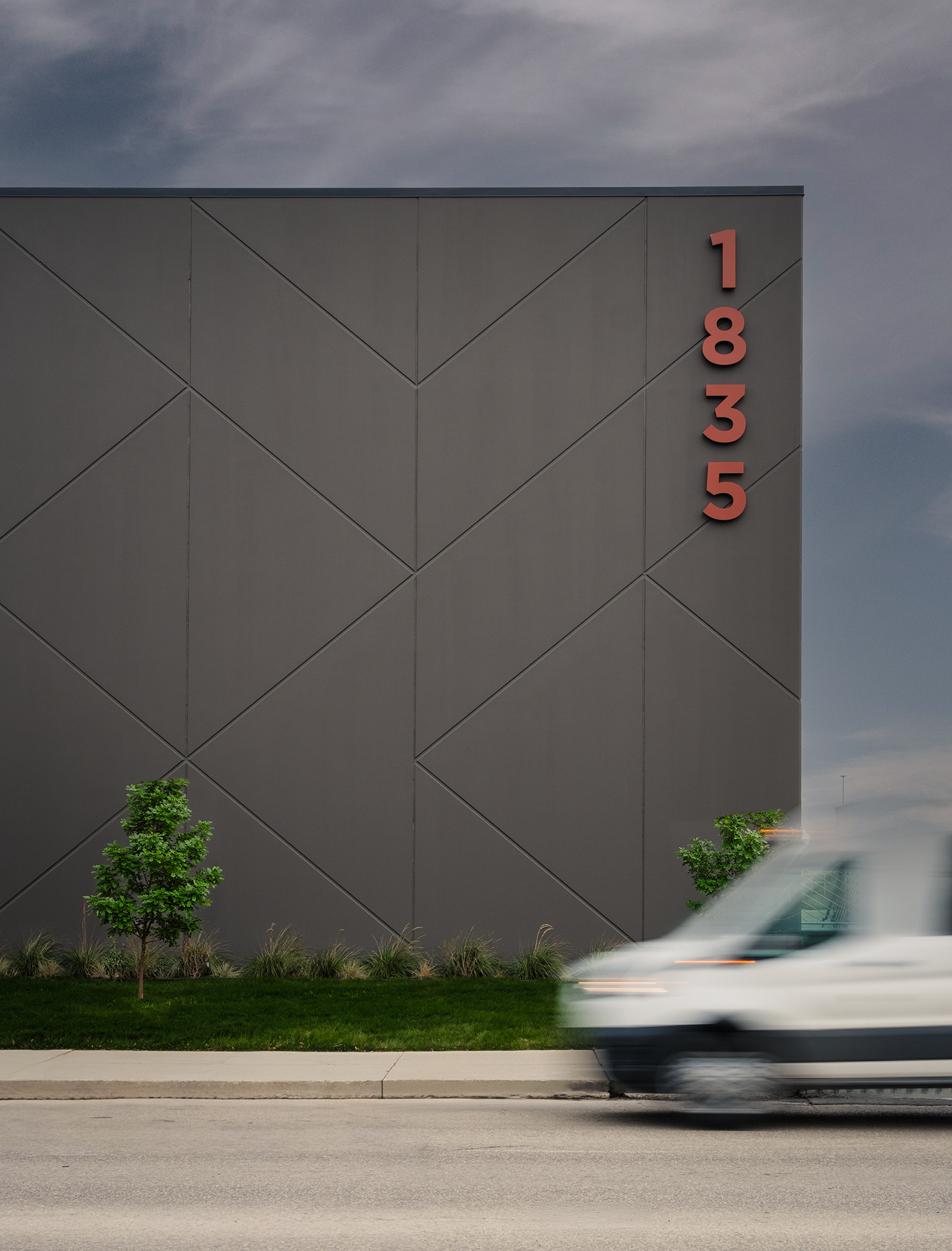
STEP 4: LIVE VISIBILITY & PROJECT CLOSE-OUT
Helping owners stay informed without carrying the burden
Throughout construction, clients have access to live schedule updates, daily progress visibility, and a clear view of what is being completed as the work moves forward. That visibility matters because many owners want to stay informed, but do not want to become the project manager or spend their time chasing updates from multiple parties.
As the project nears completion, the same emphasis on clarity continues through close-out coordination, final items, and the transition into occupancy or use. The goal is not just to finish the work, but to bring it across the line in a way that feels organized, well-managed, and respectful of the owner’s time and attention.
The result is a process that gives owners more confidence during the most pressure-filled stage of the project—without forcing them deep into the weeds to get it.
The best projects happen when design and construction work as one.
A Selection of Design Build Projects

1700 Ellice

1565 King Edward

15 Wanda Way

300 Tache
Ready to move your project forward?
Starting is exciting. Staying aligned is where most projects go sideways. At LCM, we’ve shaped a process that protects the strategy—not just the schedule.
Because it’s not just about what gets built—it’s about whether it performs the way you need it to.
Last updated April, 2026