
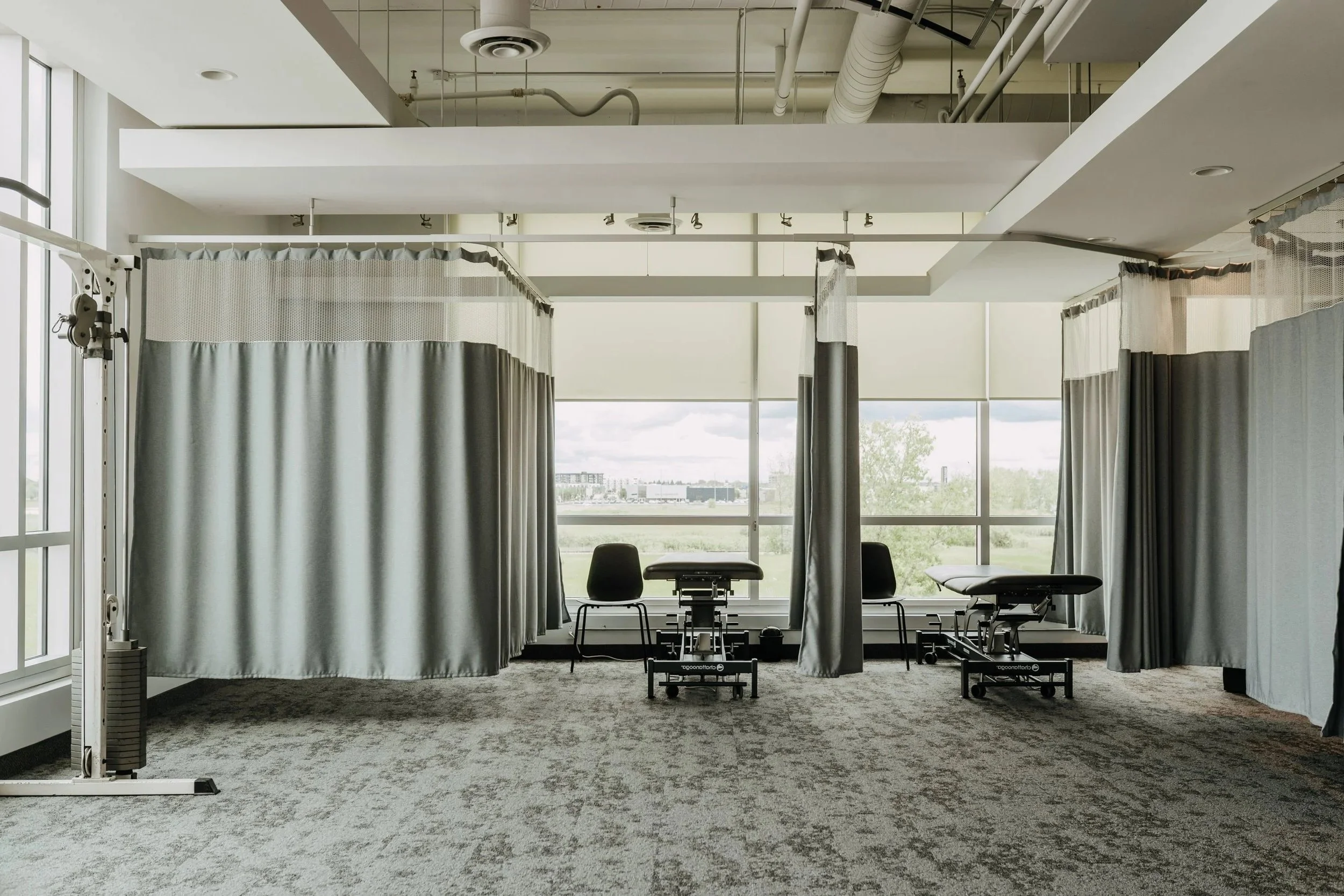
Build Your Medical or Dental Clinic Without Becoming a Project Manager
We help physicians, dentists, physiotherapists and clinic owners in Winnipeg make high-stakes early decisions before design and construction get expensive. You focus on your patients; we handle the complexity.
If you are under pressure to open, need enough cost clarity to make a real financial decision, or simply do not want to become the person managing a fragmented process, this is the stage where the right team makes life easier.
Medical and Dental Clinic Design-Build in Winnipeg: Get Cost Clarity Before You Commit
If you are opening a new clinic, relocating, expanding, or renovating an existing medical or dental space, the biggest risks usually show up before construction begins. They show up when a lease gets signed before the layout is pressure-tested, when financing decisions are made against numbers that are still too vague, and when different players start shaping the project without anyone fully owning cost, timing, and constructibility.

Medical and dental clinic construction in Winnipeg: what most owners get wrong
Construction shouldn't be your second job. Most clinic projects do not become painful because the owner chose the wrong finish. They become painful because key decisions get made while the owner is busy running a practice, relying on borrowed money, and trying to move quickly — before the right people have aligned layout, budget, timing, and construction reality.
If you are about to sign a lease or already control a clinic space, this is the moment where the process matters most. Before design gets too far, before numbers harden around the wrong assumptions, and before you end up carrying coordination problems you never wanted, the goal is to create enough clarity to move forward with confidence.

Before you start design, align the decisions that control cost
LCM’s approach is simple: align design, budget, and construction before you commit.
Instead of treating design, pricing, and construction as disconnected phases, we bring them together earlier so you can make better decisions while change is still affordable. For a busy clinic owner, this is not just better planning. It is the difference between staying informed and getting dragged into day-to-day coordination you never wanted to own.
With a clinic project, that means:
understanding your operational needs before layout decisions harden
pressure-testing the scope against current market pricing before optimism gets expensive
reducing the risk that design intent, consultant work, and construction reality drift apart
The goal is not just to build a clinic. The goal is to make sure you are not paying construction prices to fix planning mistakes.

Why clinic projects carry more risk than a typical office renovation
A clinic is not just another commercial interior. It is an operating business with patient flow, privacy requirements, specialized rooms, accessibility needs, equipment coordination, and opening pressure attached to it. Small planning mistakes can create daily friction for staff, reduce usable capacity, or delay revenue if the clinic cannot open when expected.
In dental clinics, equipment coordination, room requirements, and service integration can make early decisions even more sensitive to cost and constructibility.
That is why clinic owners need more than design ideas and a fast price. They need early decisions that account for operations, borrowing pressure, scheduling, and how the space will actually function — so they are not forced to carry the stress of late surprises while still trying to run their business.

Why early budgets may feel higher than a quick dollars per square foot quote
A quick number can feel reassuring when you are under pressure to make a lease decision, talk to a lender, or keep momentum moving. But for clinic owners borrowing money and trying to avoid ugly surprises later, the better question is not “what is the cheapest number I can hear today?” It is “how much truth is actually built into this number?”
Lower costs at the beginning often feel reassuring right up until the scope gets better defined and the missing costs show up. In clinic projects that usually happens at the worst possible time — after momentum is high, options are narrower, and backing up is expensive.
Why traditional tendering often creates more risk for clinic owners
A lower bid does not always mean a lower final cost. In clinic projects, the cheapest price is often the result of incomplete coordination, missing scope, weak assumptions, or a handoff between designers, vendors, and builders who are not aligned from the start. That gap is where extras, delays, and owner frustration tend to show up.
For a busy owner, the real problem is not just that the process is fragmented. It is that the owner often becomes the one absorbing the consequences — sorting out conflicting answers, chasing clarity, and carrying the stress when pricing or timelines move. This is especially relevant in dental projects, where equipment-led planning and bid-shopping can separate critical decisions from the team ultimately responsible for building the clinic.
That pattern gets worse when construction is treated like a commodity—something to shop only after the “important” planning is done. But clinic construction affects how well pricing holds, how quickly issues get resolved, how clearly progress is communicated, and how much risk gets pushed back onto the owner once work begins.
LCM is built around a different model: single point of responsibility, integrated planning, and cost clarity before commitment.

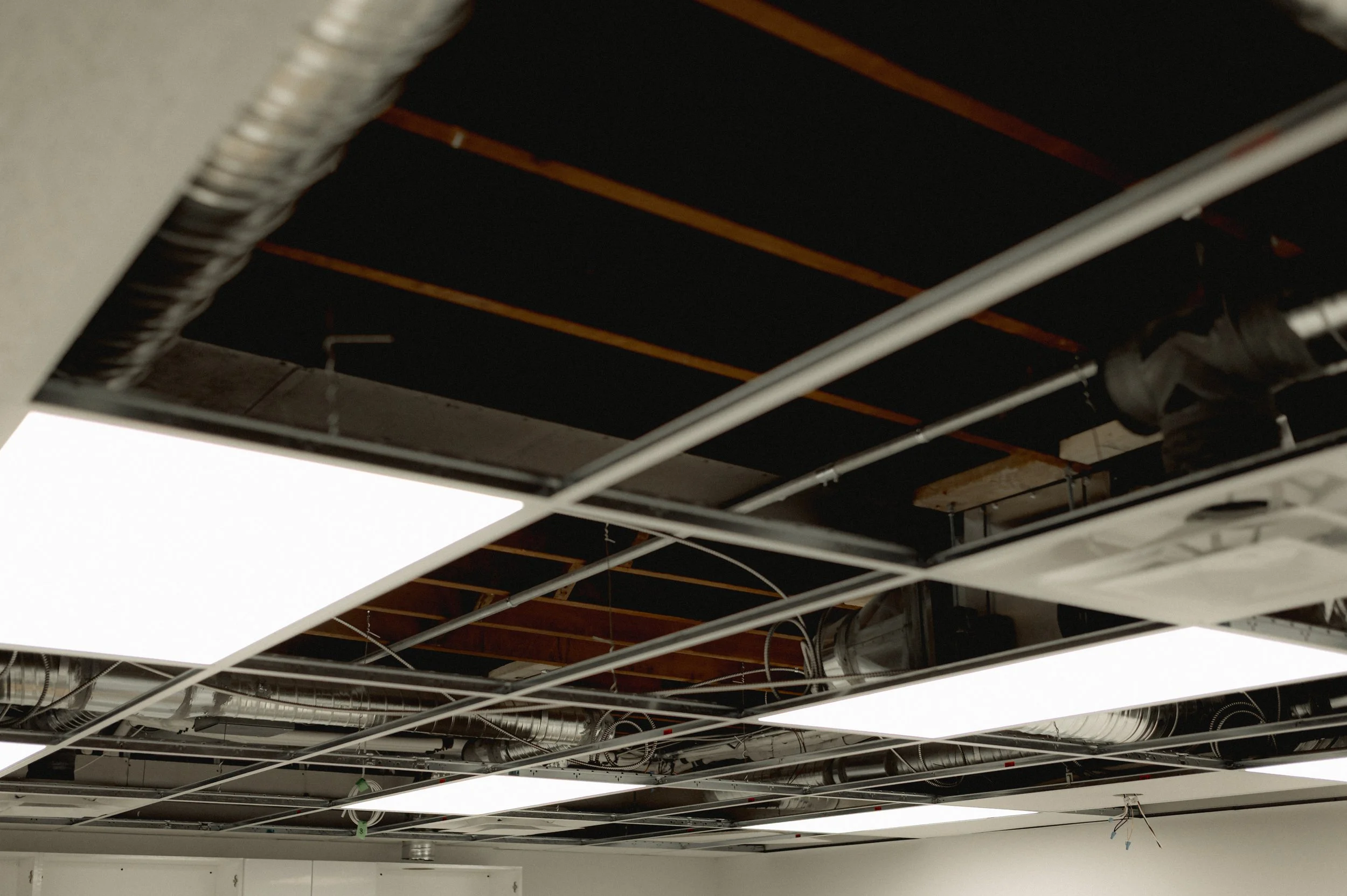
Why construction matters as much as planning
A clinic project can be well designed and still become a frustrating experience if the construction phase is managed loosely. The build itself affects how clearly progress is communicated, how quickly issues are resolved, how well trades are coordinated, and how much unexpected burden lands back on the owner.
For us, construction is not a commodity phase that begins after the important thinking is over. It is where planning is either protected or undone. A better construction process keeps budget, schedule, communication, and site conditions aligned so the owner is not left absorbing the consequences of drift, delay, or fragmented execution.
We support that with project tracking systems, documented site progress, regular communication, and tighter coordination throughout the build—but the point is not the tools themselves. The point is a smoother, more accountable experience for the owner from start to finish.
The outcome is not construction. It is confidence.
Most clinic owners are not looking for construction jargon. They are trying to avoid vague pricing, surprise extras, delays, poor communication, and the burden of managing too many disconnected parties themselves. They want one accountable team that can help them make smart decisions early, carry that clarity through the build, and keep the project off their plate instead of turning them into the coordinator.
For many clinic owners, this is also a financing-sensitive decision. They are often borrowing to complete the project, which means a low starting number is not enough. What matters is having enough cost certainty to move forward without feeling like the project will change shape once they are already committed.
That is where LCM is strongest: clear communication, early clarity, and one accountable team guiding the process. If you are a clinic owner reading this, some version of these questions is probably already in your head:
-
A clinic can look good on paper and still create friction every day. Operational flow matters.
-
You need cost clarity before design gets too far, not after months of work.
-
Most owners do not want to coordinate separate architects, consultants, contractors, and trades themselves.
-
Time matters. Delay has real business consequences.
The LCM Method for medical and dental clinic projects
LCM’s method is built to answer three questions before commitment goes too far:
What is it going to look like?
What is it going to cost?
How long is it going to take?
-
We begin with your goals, operational needs, site conditions, and design direction. The point is not just to draw a clinic. It is to understand what the clinic needs to do.
-
Plans are refined, key decisions are coordinated, and materials, systems, and requirements move toward permit-ready clarity.
-
As scope solidifies, pricing gets sharper and more transparent so you can make informed investment decisions.
-
Construction begins with better alignment, clearer expectations, and less guesswork.
Who this clinic design-build approach is for
We work best with clinic owners who want one accountable team, value clarity over the lowest starting number, and would rather stay informed than manage every moving part themselves. This is usually the right fit when the cost of getting it wrong is higher than the cost of doing it properly.
Probably a fit if:
You are opening, relocating, or expanding a medical, dental, or physiotherapy clinic in Winnipeg.
You are about to sign a lease, already control a space, or need to make real decisions on layout, budget, and timing now.
You want one accountable team helping align design, budget, and construction before the project gains the wrong momentum.
You value predictability, proactive communication, and fewer surprises more than the lowest starting number.
You want visibility without having to coordinate every consultant, vendor, and contractor yourself.
Probably not a fit if:
You plan to choose primarily on lowest bid.
You want the thinking done here and the building done somewhere cheaper later.
You prefer managing multiple disconnected parties yourself.
You see construction as interchangeable and expect alignment to sort itself out after design is complete.
You want a highly hands-on role in every moving part of the process.
Frequently Asked Questions
-
Medical clinic construction costs in Winnipeg vary based on the size of the space, the existing condition of the unit, the amount of mechanical and electrical work required, specialty needs, and the level of finish. The real issue is not getting a fast number. It is getting a number grounded enough to support a real lease, financing, and build decision. That is why early-stage planning matters: it gives you clearer cost direction before design gets too far.
-
Because clinic projects carry more complexity than many owners expect. Patient flow, staff workflow, code requirements, accessibility, specialty rooms, plumbing, HVAC, and electrical coordination all affect layout, cost, and timeline. When those decisions are made too late, changes become slower, more expensive, and harder to absorb.
-
Because that often delays the moment of pricing truth. A clinic can look resolved on paper and still be misaligned with budget, constructibility, or timing. For owners who want predictability, integrating design, budgeting, and construction thinking earlier reduces the risk of redesign, budget shock, and late-stage compromises. This is consistent with LCM’s broader method of aligning design, cost, and constraints early rather than letting optimism outrun reality.
-
We are usually the strongest fit for busy owners who want to stay informed without being pulled into every moving part of the project. Our best clients tend to value clear communication, early planning, proactive updates, and one accountable team. If an owner wants to micromanage multiple parties or treat the process like a commodity bid exercise, we are usually not the best fit.
-
Budgets usually rise when important decisions are made too late, when an existing space has hidden conditions, when mechanical and electrical work is heavier than expected, or when the design advances before cost and constructibility are properly tested. In other words, the problem is often not “construction got expensive” in isolation. The problem is that reality entered the process later than it should have.
-
Yes. In many cases, that is the best time to engage. If you are comparing spaces, reviewing a lease opportunity, or trying to decide whether a project makes sense, early guidance can help you avoid committing to a space that creates avoidable cost, timeline, or layout problems later.
-
Before you start design. Before committing to construction. Ideally before signing a lease, or as soon as you have a likely space under consideration. The earlier you engage, the more opportunity there is to align layout, scope, budget, and timing before expensive decisions get locked in. That early clarity is central to how LCM positions its process.
-
Most clinic projects take longer than owners first expect, not because construction is always slow, but because design decisions, permitting, approvals, landlord coordination, and trade coordination all take time. The biggest delays usually come from unresolved decisions early in the process, not from the build itself. Early planning helps reduce those delays by surfacing constraints sooner.
-
Earlier than most people think. The best time is before signing a lease, if possible. If the space is already secured, planning should begin immediately. Early-stage planning helps you understand layout implications, construction constraints, cost direction, and timing before they become expensive to change.
-
Yes. We work with clinic owners who need early clarity on layout, cost, timeline, and execution. That includes medical clinics, dental clinics, and physiotherapy spaces where coordination, budgeting, and operational flow need to be addressed before construction begins.
-
Clinic spaces usually involve more technical coordination. That can include exam room planning, specialized plumbing and electrical requirements, accessibility considerations, infection-control-related decisions, patient privacy, staff workflow, and stronger pressure around opening dates. Those factors make early budgeting and coordinated planning more important than they would be in a simpler commercial interior project.
A Selection of Clinic Build-Outs

1020 Sport Medicine

Transcona Physiotherapy
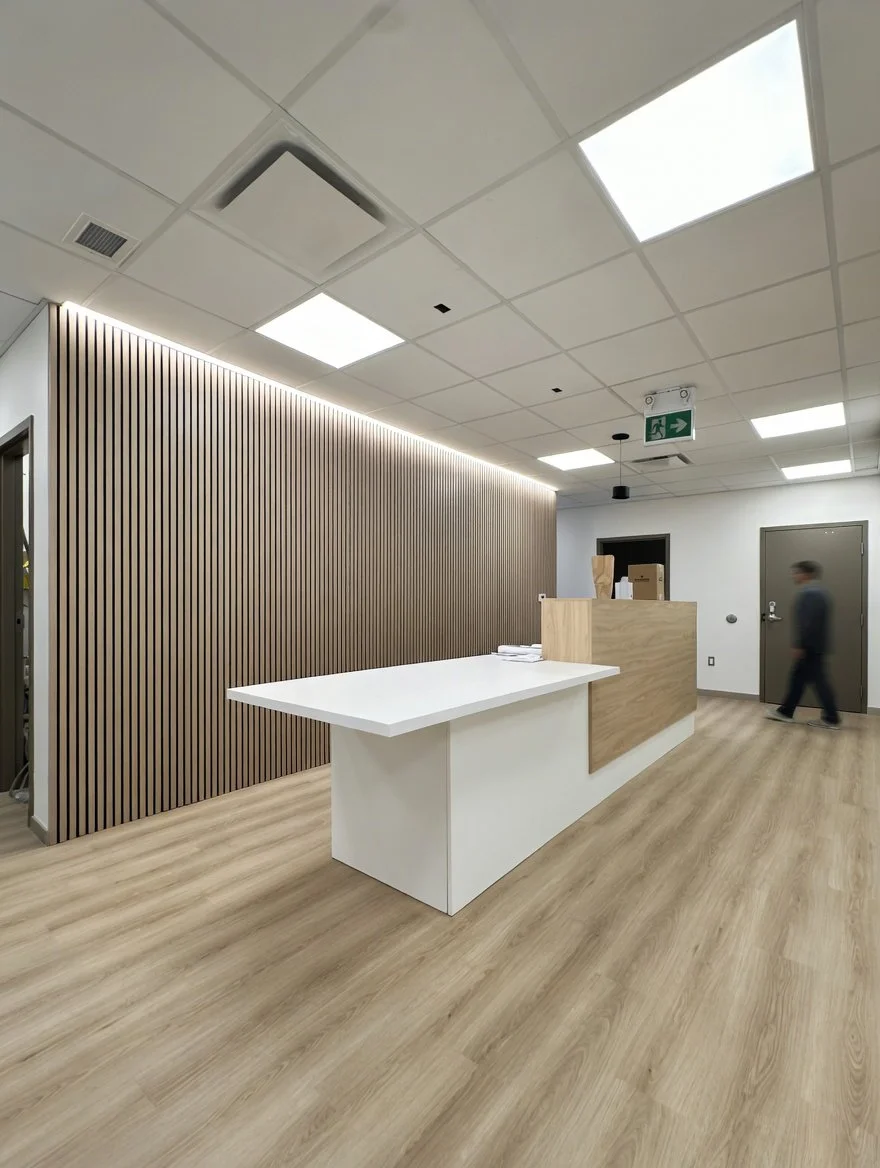
West Kildonan Family Medicine
(coming soon)
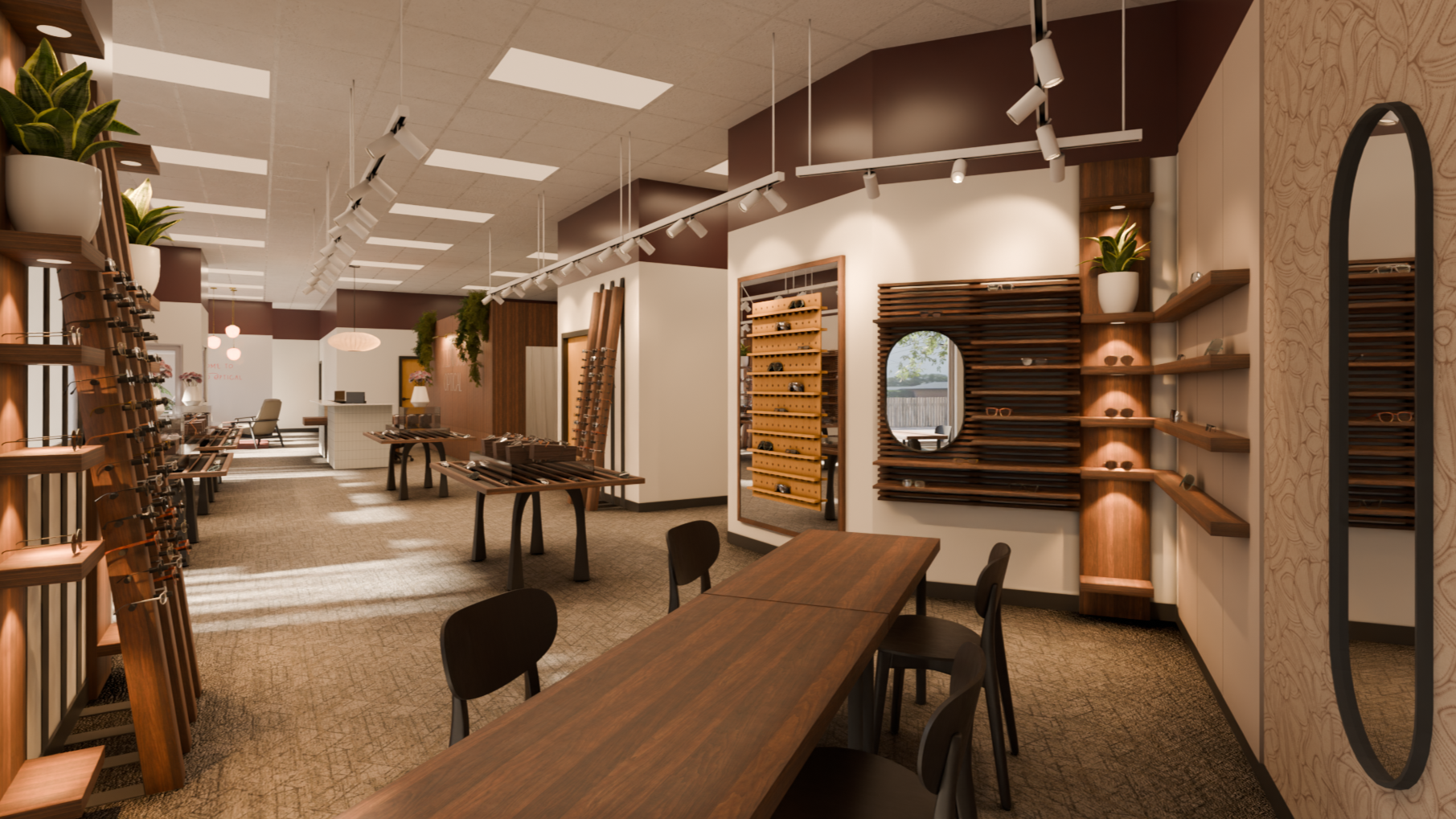
Wildwood Optical
(coming soon)
Planning a dental or a medical clinic in Winnipeg?
Before this gets expensive, get aligned.
If you are making lease, financing, layout, or timing decisions now, this is the point where the right process can save you money, stress, and avoidable backtracking later. Start with one accountable team that helps you stay informed without having to manage every moving part yourself.
Last updated April, 2026