Build or Renovate Your Multi-Family Asset Without Becoming the Project Manager
We help property owners and investor-builders in Winnipeg make strategic early decisions before multi-family design and construction get expensive. You stay focused on the asset, the financing, and the bigger picture. We handle the complexity.
If you are planning a new multi-family build or a major renovation, this is often the point where the stakes rise quickly — and where the wrong process creates the most avoidable problems. The right team gives you cost clarity early, one point of accountability, and a path forward that doesn't require you to coordinate architects, engineers, approvals, and trades yourself.
Multi-Family Construction and Renovations in Winnipeg: Get Cost Clarity Before You Commit
Whether you are planning a purpose-built rental, repositioning an existing apartment building, or working through the early stages of a mixed-use project, the biggest risks usually appear before construction begins — when capital is committed before scope is pressure-tested, when design advances before cost is validated, and when different players are shaping the project without anyone fully owning the outcome. For a busy investor or property owner, that fragmentation doesn't just create inefficiency. It puts the coordination burden back on you, at exactly the moment when you need fewer distractions, not more.
Multi-family construction in Winnipeg: what most owners get wrong
Construction shouldn't be your second job. Most multi-family projects don't become painful because the owner chose the wrong finishes or misjudged the market. They become painful because the owner — busy managing existing assets, working with lenders, and trying to keep momentum, ends up absorbing problems that were never theirs to carry. The decision to renovate or build is made early. The consequences show up later: when design has advanced too far before budget is tested, when the contractor and architect are disagreeing about scope, or when the numbers that looked reasonable six months ago are no longer holding.
This is the moment where the process matters most. Before design hardens, before financing locks in, and before you end up coordinating problems you never planned to own, the goal is to get enough clarity to move forward with confidence.

Before you commit capital, align the decisions that control cost
LCM's approach is straightforward: align design, budget, and construction before momentum carries the project past the point where adjustment is affordable. For a property owner or investor-builder, this is the difference between staying informed and getting dragged into day-to-day coordination you never wanted to own.
With a multi-family project, that means:
understanding your investment thesis, market-rate repositioning, CMHC-incentivized new build, asset recapitalization — before layout decisions harden around the wrong assumptions
pressure-testing scope against current Winnipeg construction pricing before optimism gets expensive
reducing the risk that design intent, engineering requirements, and construction reality drift apart before anyone is accountable for closing the gap
getting real numbers before committing to a lender, a contractor, or a permit application
Why multi-family projects carry more complexity than most owners expect
A multi-family renovation or new build is not a scaled-up commercial fit-up. It carries existing tenants, financing dependencies, municipal approvals, energy code requirements, and a pro forma that depends on every phase delivering on time and on budget. In occupied buildings, every decision has a second layer: phasing, access coordination, dust control, quiet hours, and tenant communication. Those aren't just construction problems — they are asset management problems, and a contractor who doesn't understand that will cost you more than their bid suggests.
For new purpose-built rental or mixed-use projects, the complexity shifts: zoning, density approvals, permitting timelines, and structural coordination all need to move in sequence. When those pieces aren't owned by one accountable team, the gaps between them become the owner's problem to manage.

Why early numbers on multi-family projects often feel higher than expected
A quick square-footage estimate can feel reassuring when you are trying to test feasibility or talk to a lender. But for an investor working with borrowed capital or managing a renovation budget against existing rents, the more useful question is not "what is the cheapest number I can hear today?" It is "how much truth is actually built into this number?"
In multi-family projects, scope complexity is usually higher than it looks at the start. Suite renovations in occupied buildings require phasing. Energy upgrades, fire code compliance, and envelope work carry costs that don't appear in fast estimates. The budget that feels low at the start often feels very different when those realities enter the process — after momentum is high and the cost of backing up has grown. LCM's pre-construction work surfaces those realities early, when adjustment is still affordable.

Why traditional tendering often creates more risk for property owners
A lower bid does not always mean a lower final cost. In multi-family projects, the cheapest proposal is often the result of incomplete scope, optimistic assumptions about existing conditions, or a handoff between a designer and a builder who have never coordinated on this type of work. That gap is where extras, delays, and owner frustration compound — and where the owner often becomes the one absorbing the consequences, sorting out conflicting answers and carrying the coordination burden for a project that was supposed to be off their plate.
LCM operates on a different model: single point of responsibility, integrated planning, and cost clarity before commitment. We are not the cheapest starting number. We are the team that makes the number you start with the number you finish with.
Why construction matters as much as the planning that comes before it
A multi-family project can be well planned and still become a frustrating experience if the construction phase is managed loosely. The build itself determines how clearly progress is communicated, how quickly issues are resolved, how well trades are coordinated, and how much unexpected burden lands back on the owner. For us, construction is not a commodity phase that starts after the important thinking is over. It is where planning is either protected or undone.
In occupied renovations, that means phased scheduling that respects tenant experience. In new builds, it means trade sequencing, permit coordination, and proactive owner communication so decisions are made when they're needed — not after the window has closed.
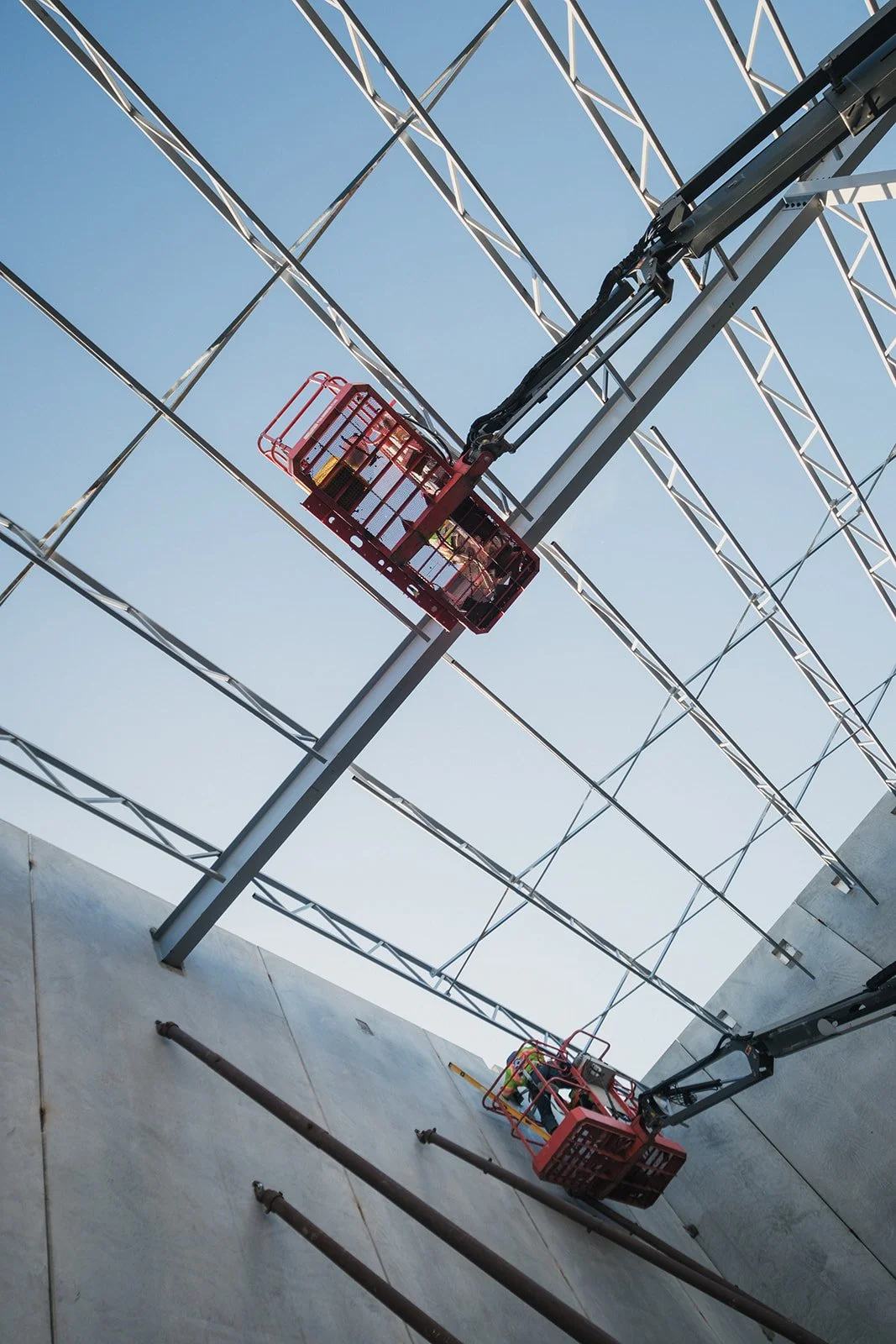
The Outcome is Not Construction. It is a Performing Asset.
Most property owners and investor-builders working on multi-family projects in Winnipeg are not looking for construction jargon. They are trying to avoid vague pro formas, budget surprises, and the burden of managing too many disconnected players. They want one accountable team that can help them make smart early decisions, carry that clarity through the build, and keep the project off their plate. For many, this is also a financing-sensitive decision — and a low starting number is not enough. What matters is having enough cost certainty to move forward without feeling like the project will change shape once it is already committed.
That is where LCM is strongest: cost clarity before capital is committed, one accountable team carrying the process from investment alignment through construction completion, and proactive communication that keeps you informed without pulling you into the weeds. That clarity comes from having one team help you answer the questions that matter most before the project gains momentum:
Will this renovation actually move the needle on rents and occupancy?
Are we scoping to the right level for this asset class and this market?
Do we have cost clarity that our lender can actually use?
Can one team keep this off my plate from concept through completion?
Are we setting up for a clean construction phase or buying a future coordination problem?
The LCM Method for Multi-Family Projects
LCM's method is built to answer three questions before commitment goes too far:
What is it going to look like?
What is it going to cost?
How long is it going to take?
Most owners arrive at construction having already absorbed the consequences of decisions made too early — a scope that outran the budget, a design that nobody priced until it was too late to change, and potentially a building type that doesn't fit operations. The LCM Method exists to prevent that. We answer those three questions with accuracy before commitment locks you in — so by the time construction begins, the hard work is already done.
-
We begin with your investment goals, existing conditions, and design direction — because the point is not just to draw a building, it is to understand what the asset needs to achieve for rents, occupancy, financing, and the next decade of ownership. From there, we develop schematic designs and a Class C cost estimate in parallel, so budget and scope are tested against each other before either gets too far. The result is a coordinated plan you can take to a lender, a partner, or your own investment analysis with confidence.
-
Once the schematic direction and cost range are confirmed, we develop the full construction documents — the drawings, specifications, and details that trades need to build from, including permit submissions and any code or energy compliance requirements specific to the building. The goal is to close the gap between what the design promises and what construction will actually deliver, so the drawings that go to permit are the same drawings that go to site. This phase ends with a clear, permit-ready package and no daylight between design intent and construction reality.
-
This is where the numbers get honest. As construction documents solidify, pricing becomes sharper and more reliable — grounded in actual scope, real market conditions, and the specific constraints of the building rather than early assumptions. Trade coordination, material lead times, and phasing plans are confirmed here so construction begins with alignment already in place, and the budget you commit to is one built on something real.
-
Construction is where planning is either protected or undone, and our process is built to carry the clarity established in pre-construction all the way through to completion. That means regular progress updates, proactive communication when conditions change, and a team that treats the owner's time and attention as something worth protecting — not something to absorb problems with. For portfolio owners with tenants still operating inside the building, it also means phasing and site management that keeps things running while the work gets done.
Who this multi-family design-build approach is for
We work best with property owners and investor-builders who want one accountable team, value clarity over the lowest starting number, and would rather stay informed than manage every moving part themselves. This is usually the right fit when the financial and operational stakes of getting it wrong are higher than the cost of doing it properly from the start.
Probably a fit if:
You own or are acquiring a multi-family asset in Winnipeg and are planning a major renovation, repositioning, or new build.
You need real cost clarity before committing to a lender, a purchase, or a construction timeline.
You want one accountable team to carry design, budget, and construction — not three separate parties to coordinate yourself.
You value predictability, proactive communication, and fewer surprises more than the lowest starting number.
You want visibility into the project without having to manage every moving part yourself.
You are working under financing pressure, CMHC lending conditions, or acquisition timelines that make cost certainty important.
Probably not a fit if:
You plan to choose your contractor on lowest bid alone.
You want the design done here and the building done somewhere cheaper later.
You prefer to coordinate architects, engineers, and trades yourself.
You see construction as interchangeable and expect alignment to sort itself out after design is complete.
You want a highly hands-on role in every moving part of the process.
You are primarily looking for a fast, cheap number to test feasibility without a commitment to realistic planning.
Multi-Family Renovation and New Build in Winnipeg: What These Projects Actually Involve
These terms get used interchangeably, but they represent meaningfully different scopes, risks, and investment decisions. Here is how we think about them.
SUITE RENOVATIONS AND UNIT TURNOVERS
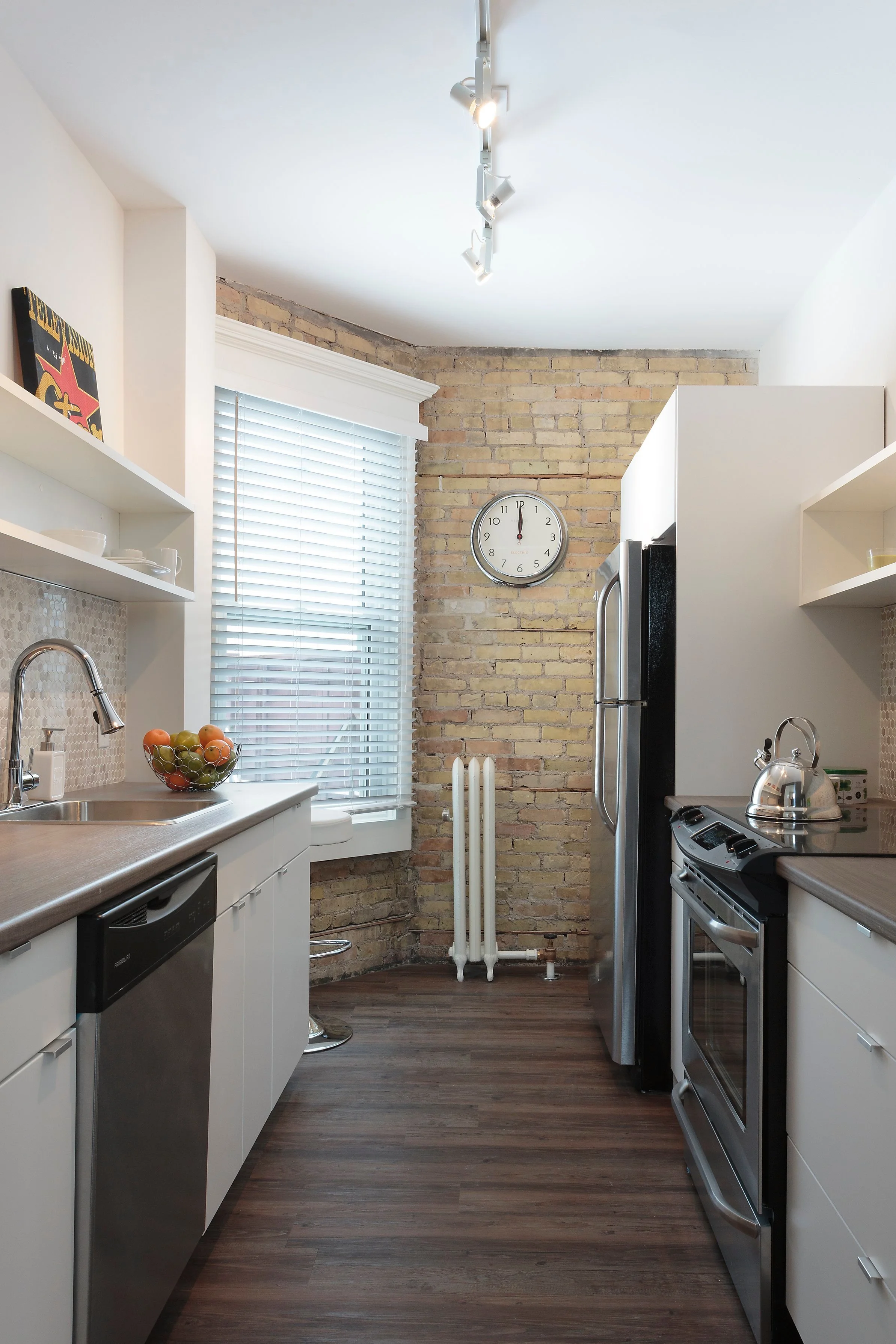
Modernizing kitchens, bathrooms, flooring, and fixtures — usually timed with tenant turnover. In older Winnipeg apartment buildings, suite renovation programs are one of the most effective tools for repositioning an asset toward market-rate rents, provided the phasing protects occupancy during the process.
COMMON AREA AND AMENITY REPOSITIONING
Lobbies, corridors, laundry rooms, and building entrances affect first impressions, lease-up rates, and tenant retention. Often deferred in older buildings, they carry a disproportionate impact on how the property competes in Winnipeg's rental market.
ENVELOPE AND MECHANICAL UPGRADES
Windows, roofing, cladding, insulation, HVAC, and electrical work triggered by code requirements, energy efficiency programs, or end-of-life equipment. Hidden conditions and Manitoba Building Code compliance make these the most important scope to investigate early — before cost assumptions harden.
PURPOSE-BUILT RENTAL CONSTRUCTION
A new multi-family or mixed-use build in Winnipeg involves zoning, municipal approvals, structural engineering, and a construction timeline a lender or CMHC program will scrutinize carefully. The pre-construction phase is where the most consequential decisions — unit mix, floor plate efficiency, construction method — are either grounded in reality or set up for expensive revision later.
Frequently Asked Questions
-
Costs vary significantly depending on the scope: suite renovations in occupied buildings, common area repositioning, envelope or mechanical upgrades, and new purpose-built rental construction each carry different cost drivers. The more important question for most owners is not "what is the cheapest number I can get today?" but "how grounded is this number in current Winnipeg construction pricing?" LCM's pre-construction work develops real cost estimates before design gets too far — so the number you use to make your investment decision is one you can actually rely on.
-
Because multi-family projects carry more complexity than most owners expect going in. Occupied buildings add phasing and tenant coordination requirements. New builds add zoning, municipal approvals, and CMHC documentation requirements. Mechanical, structural, and envelope work can carry hidden conditions that dramatically change scope and cost if they're not surfaced early. When those realities show up late in the process — after design has advanced, financing is committed, and momentum is high — they are significantly more expensive to absorb.
-
In a traditional model, the owner hires a designer separately, runs a tender process to select a contractor, and then becomes the de facto manager of the relationship between them. When those parties disagree about scope, cost, or constructibility, the owner often absorbs the consequences. In a design-build model, one team is responsible for design, cost, and construction from the beginning — which means misalignment between intent and reality is the team's problem to resolve, not yours. For owners who want one point of accountability and fewer surprises, design-build typically reduces coordination burden and improves cost predictability.
-
LCM integrates design, budgeting, and construction expertise from the beginning of a project. Rather than developing a full design and then pricing it, we develop schematic designs and cost estimates in parallel — so budget and design are tested against each other before either gets too far. This produces a Class C or Class B cost estimate before any commitment to permits, trade tenders, or construction, giving you a real number to bring to a lender, a partner, or your own investment analysis.
-
Yes. In many cases, that is the best time to engage. If you are evaluating an acquisition, comparing renovation scopes, or trying to understand whether a new build project is feasible at current Winnipeg construction costs, early guidance can help you avoid committing to a property or a plan that creates avoidable cost, timeline, or design problems later. The earlier you engage, the more options you have.
-
Occupied renovations require a construction process that is specifically planned around tenant experience. That means phased work schedules, defined access protocols, communication with residents before work begins, dust and noise mitigation measures, and coordination with property management throughout the project. LCM plans these logistics as part of the construction program — not as an afterthought — because the cost of a poorly managed occupied renovation (complaints, vacancies, lease friction) is often higher than the cost of getting the phasing right in the first place.
-
Budgets typically rise when important decisions are made too late, when existing conditions in older buildings turn out to be different from what was assumed, when mechanical or structural work is heavier than initially estimated, or when design advances ahead of cost testing. In other words, the problem is rarely "construction got expensive in isolation" — it is that reality entered the process later than it should have, when the cost of adjusting had already grown. Early pre-construction work is specifically designed to surface these issues before they become expensive to solve.
-
Before you start design. Before committing to construction. Ideally before finalizing a purchase or signing a financing commitment, or as soon as a property is under serious consideration. The earlier you engage, the more opportunity there is to align scope, budget, and timeline before expensive decisions get locked in. That early clarity is central to how LCM approaches every project — multi-family and otherwise.
-
Yes. We understand that CMHC lending programs — including MLI Select and other purpose-built rental incentives — carry specific documentation, energy performance, and accessibility requirements that affect design decisions and construction scope. Owners working within CMHC lending frameworks need cost and design clarity that aligns with those program conditions from the beginning. We can help you develop that clarity in the pre-construction phase before the project is submitted for financing approval.
-
Yes. LCM works on purpose-built rental and mixed-use new construction, major renovation and repositioning of existing multi-family buildings, suite renovation programs, common area upgrades, and envelope or mechanical system renewal projects. The scope varies, but the approach is consistent: align design, budget, and construction early, carry one point of accountability from concept to completion, and keep the owner informed without turning them into the coordinator.
-
Multi-family projects add layers that most commercial projects don't carry: existing tenants, Manitoba Residential Tenancies Act obligations, CMHC lending documentation requirements, phased construction logistics, and a pro forma that depends on occupancy continuity during the build. The investment stake is also typically larger, the financing is more complex, and the cost of opening late or over budget is measured directly against rent revenue and asset value. That combination of complexity and financial consequence is why early alignment — between design, cost, and construction — matters more here than in a typical commercial fit-up.
A Selection of Multi-Family New Builds and Renovations
370 Donald
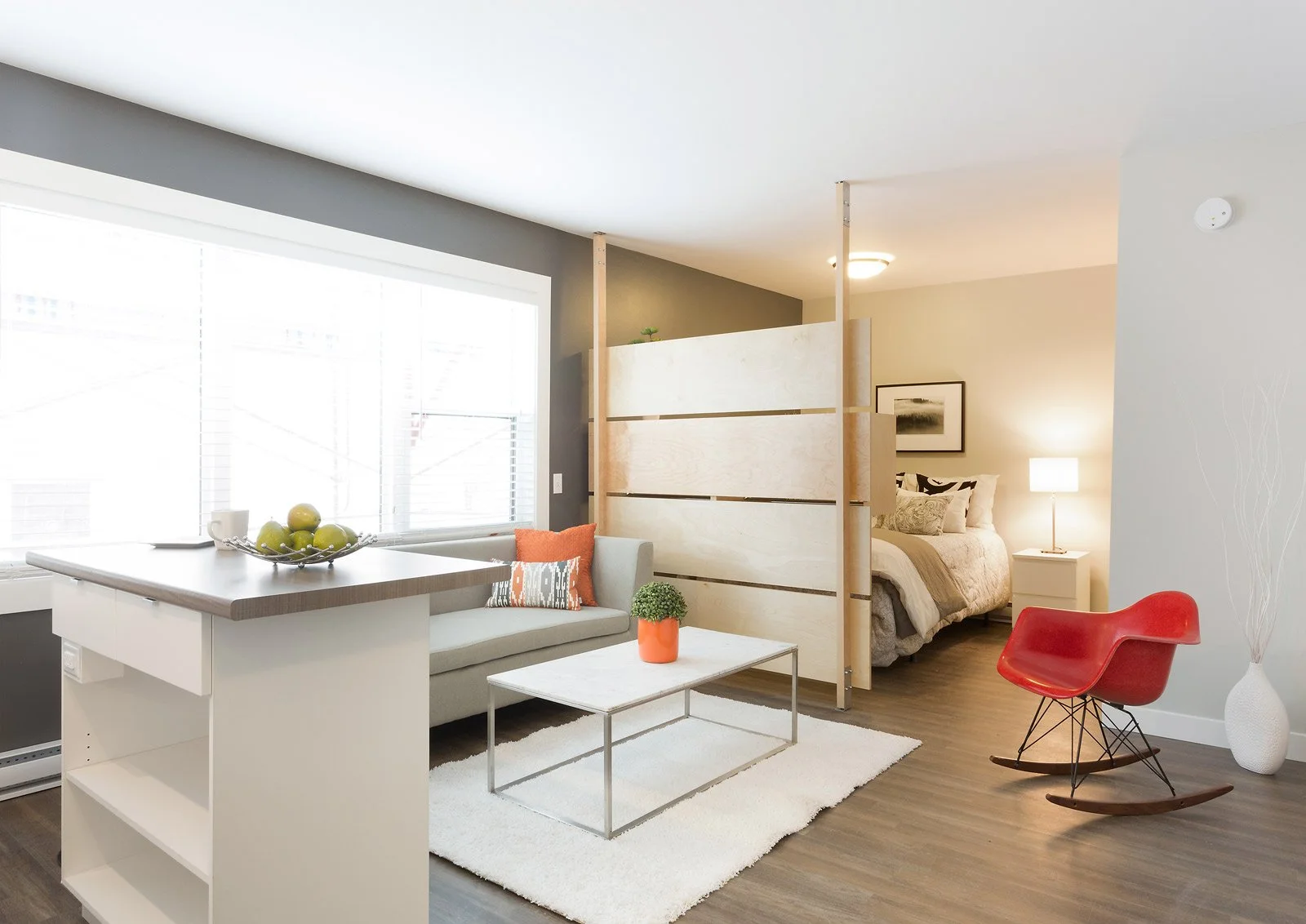
9 Victory Place
St Mary’s Road
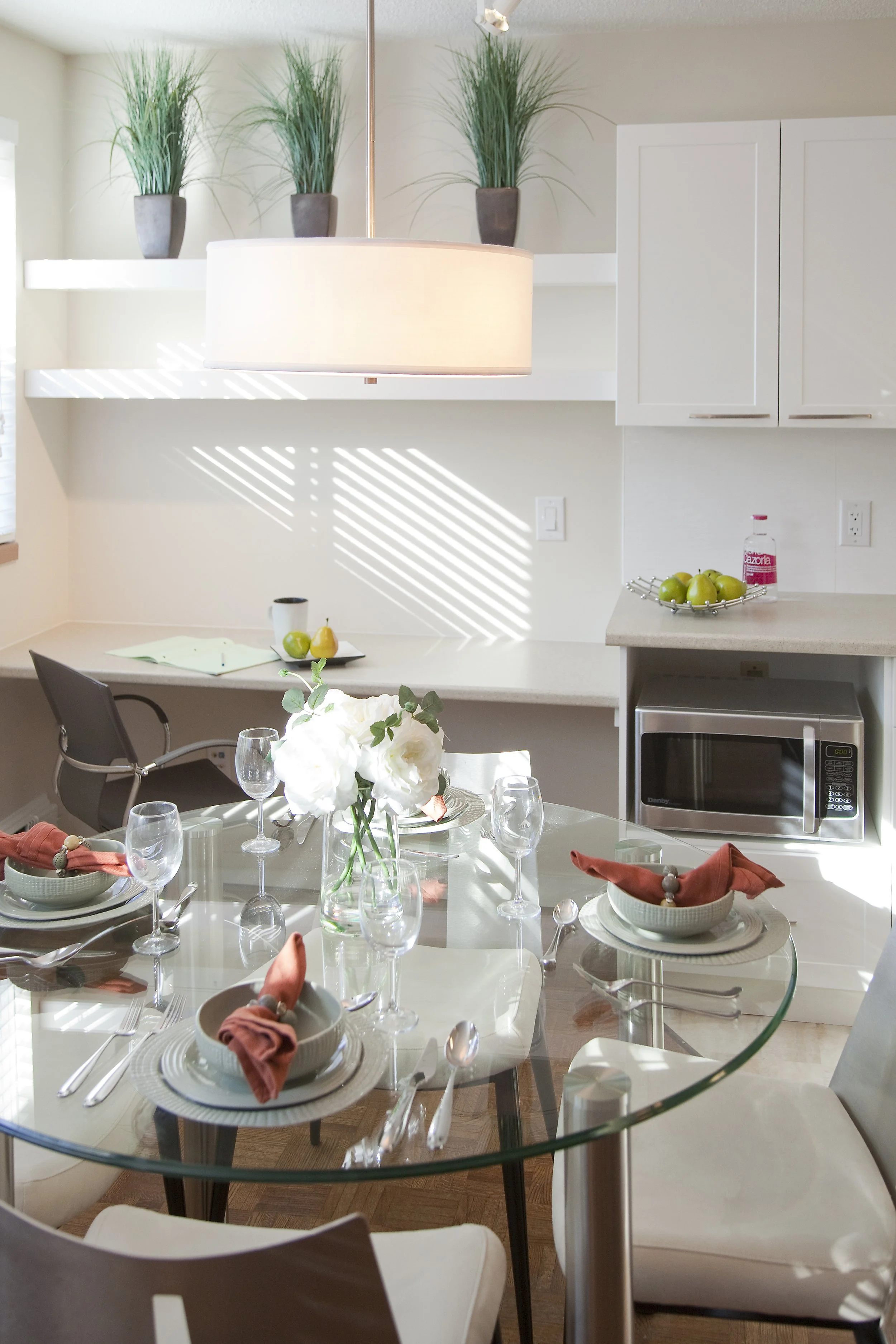
253 Edison
Planning a multi-family renovation or new build in Winnipeg?
Before this gets expensive, get aligned.
Starting is exciting. Staying aligned is where most projects go sideways. At LCM, we've built a process that protects the strategy — not just the schedule. If you are making acquisition, financing, or construction decisions now, this is the point where the right process saves you money, stress, and avoidable backtracking. Start with one accountable team.
Last updated April, 2026